248 Articles in this category
We trust algorithms to find us a date, a movie, or the fastest route home. But can a machine truly grasp the art of choosing the perfect handbag or statement earring? I put the bots to the test, abandoning my own taste for a full week to see if AI-powered online stylists could truly elevate my look, or if they'd just turn me into a fashion cliché. I approached this experiment with the same enthusiasm I reserve for corporate team-building exercises: professionally committed, personally dubious. My closet is less a collection of clothes and more a curated archive of my life—each piece with a backstory. The idea of letting a lines of code, devoid of memory or sentiment, rummage through it felt like inviting a robot to write my biography. Yet, the promise was tantalizing: a perfectly objective eye, free from my own biases and comfort zones. Could it unlock a new level of style, or would I end up looking like a data-driven mannequin?
That chunky gold chain trending on TikTok isn't new; it's a direct descendant of Roman status symbols. The delicate 'charm' jewellery flooding your feed has deep roots in Victorian sentimentality. Before you buy into the next big thing, understand that you're not just wearing a trend—you're wearing a piece of history, cleverly repackaged. In the dizzying world of fast fashion and micro-trends, we are led to believe in a constant state of invention. But as a curator who spends their days surrounded by the ghosts of aesthetics past, I can assure you that true novelty in design is exceedingly rare. The modern jewellery market is not a laboratory of new ideas, but a masterful DJ, sampling the greatest hits of history and remixing them for a new audience. This article pulls back the curtain on this illusion, revealing the direct lineage from ancient workshops to your current wish list.
Your online shopping cart is full of shimmering, of-the-moment accessories, and your finger is hovering over the 'buy' button. Stop. This guide will teach you the one skill that separates savvy collectors from trend victims: how to instantly tell if a trendy accessory is a six-month fling or a future classic you'll wear for years. As a former trend forecaster, I've seen countless micro-trends burn brightly and fade into obscurity, leaving behind a trail of unworn plastic and buyer's remorse. The secret isn't to stop buying trendy accessories online; it's to develop a curator's eye. It's about learning to see past the algorithm-pushed hype and identifying the DNA of an heirloom. This is your masterclass in building an accessory collection that tells a story, holds its value, and transcends the relentless cycle of what's 'in'.
You've seen them flooding your feed: the chunky chains, the serpent motifs, the sculptural cuffs. But what if the 'newest' trends in gold were not new at all? This isn't just a trend report; it's a journey back in time to uncover how ancient Roman, Egyptian, and Grecian aesthetics are secretly defining the modern gold jewellery you crave today. We are not witnessing a fleeting moment in fashion, but the powerful resurgence of archetypes—symbols of power, eternity, and divinity forged in gold millennia ago. Prepare to see your jewellery box not as a collection of trends, but as a museum of wearable history.
You've seen them everywhere: chunky 'mob wife' gold, delicate coquette bows, and hyper-functional utility bags. But what if these aren't just random trends dictated by runways? We're exploring the theory that our accessory choices are powerful economic indicators, revealing more about our anxieties and aspirations than the clothes we pair them with. This phenomenon, an evolution of the classic 'Lipstick Effect,' suggests that in times of economic uncertainty, we forgo large, expensive purchases for smaller, more affordable luxuries. Today, that luxury isn't just a tube of red lipstick; it's a statement earring, a silk scarf, or a bold belt. These are not mere decorations; they are non-verbal communicators of our collective psyche, broadcasting our need for security, comfort, and control in a turbulent world.
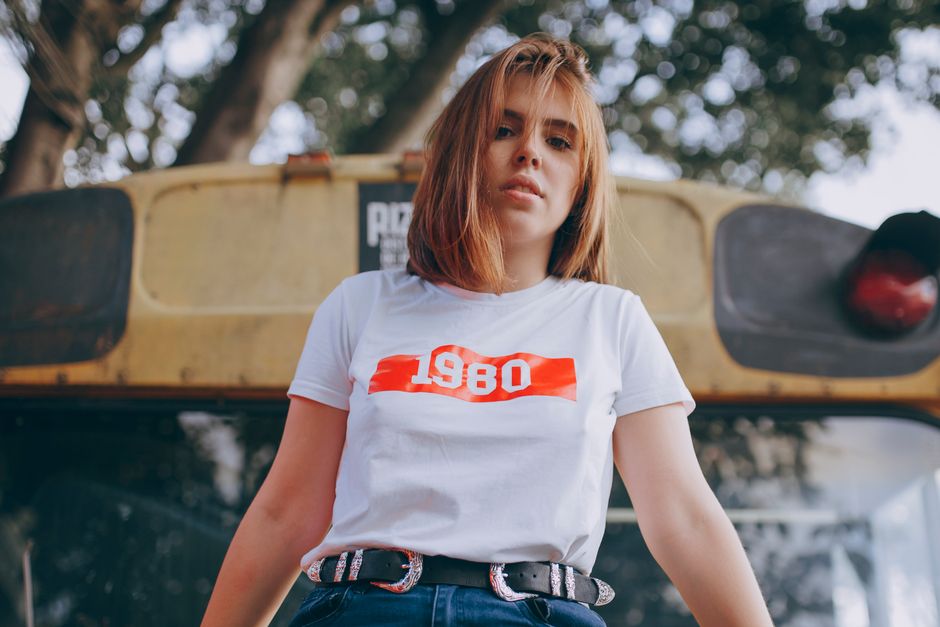
You have the perfect pair of jeans and a go-to t-shirt, but the final look still feels... incomplete. The secret to transforming that simple uniform from 'basic' to 'deliberately styled' isn't a new handbag or expensive shoes—it's the often-overlooked accessory sitting in your closet. We're breaking down how the right trending belt acts as a 5-second formula to make your entire outfit look more intentional and expensive. It’s not just about function; it’s about framing. Think of your jeans and top as a brilliant canvas. The belt is the custom gallery frame that makes it look like a masterpiece. Without it, you're just wearing clothes. With it, you're wearing an outfit.
Remember the thrill of finding the perfect statement necklace in a bustling Topshop flagship? That era is over, but the brand lives on at ASOS. We're putting today's Topshop accessories to the test, analyzing which pieces capture that old magic and have 'future vintage' potential, and which are just fast-fashion fails waiting to happen. As a trend forecaster, I've watched brands evolve, peak, and transform. The Topshop of today, curated within the digital aisles of ASOS, is a different beast from the Oxford Circus icon. The challenge—and the opportunity—for the discerning shopper is to apply a curator's eye. This isn't about aimless scrolling; it's about a strategic hunt for the artifacts that will tell the story of this fashion era in a decade's time. This review is your field guide.
Forget what you know about the thigh belt as merely an edgy or provocative accessory. High-fashion insiders are now wielding it as an architectural tool, a secret weapon for sculpting silhouettes and adding deliberate structure where there was none. This isn't just about adding a detail; it's about redrawing the lines of your entire look. We're witnessing a paradigm shift where accessories are no longer just adornments but active participants in the construction of an outfit. The thigh belt is the vanguard of this movement, a simple strap that holds the power to transform the mundane into the masterfully composed.
We’ve all seen them: the sad, twisted skeletons of cheap umbrellas littering the sidewalk after a single storm. We treat them as disposable, but the true cost of that $5 emergency purchase is a cycle of waste and frustration. What if your umbrella wasn't an afterthought, but a permanent, stylish fixture of your wardrobe—an investment in craftsmanship you could be proud to carry for years to come? This isn't just about staying dry; it's a profound statement against the throwaway culture that defines fast fashion. It's about choosing an object of both beauty and resilience, transforming a mundane necessity into a pillar of your personal style and a testament to your commitment to conscious consumption. By embracing the umbrella as a permanent accessory, we reclaim it from the landfill and place it firmly in the realm of cherished, long-lasting possessions.
We all know the winter ritual: bundling into a heavy, restrictive coat only to feel clumsy and overheated the moment you step indoors. What if your most elegant accessory was also your most liberating piece of outerwear? It’s time to master the art of the 'anti-coat' and discover how a beautifully draped stole offers all the warmth and polish you need, without the weight. This isn't about discarding your winter parka; it's about a strategic, sartorial choice for moments that call for grace over grit. It is the deliberate decision to choose fluidity over structure, and quiet luxury over bulky necessity. It is, quite simply, the modern way to navigate winter with poise.
Most style guides treat a scarf as a finishing touch—a simple flourish of color or pattern. But what if you treated it not as an accessory, but as an architectural tool? Forget simple knots; we're exploring how to use the weight, drape, and length of a scarf to sculpt a new silhouette and fundamentally alter the lines of your outfit. We are moving beyond mere decoration to intentional construction. This is not about adding an item to your look; it is about erecting a new framework for it. Prepare to see your wardrobe, and your scarves, through the eyes of an architect.
You might see a simple piece of fabric, but history sees a secret weapon. Long before it was just a stylish accessory, the scarf was a woman's coded message, a symbol of defiance, and a quiet declaration of power. It's time to learn its language. This is not a story of trends that come and go like seasons; it's the chronicle of a steadfast companion in the female arsenal, a tool as potent as a pen and as expressive as a protest sign. From the militant sashes of the suffragettes to the impeccably knotted silk of the modern executive, the scarf has been a silent narrator of women's ascent.
You bought the stylish necklace set because it was a promise of effortless coordination. But what if the most fashionable thing you could do is never wear the pieces together? We're about to reveal the industry secret to 'breaking the set' and tripling its value in your wardrobe. For years, I've seen it on shoots, on red carpets, and in the front rows of Fashion Week. The most impeccably dressed individuals—the ones who exude that innate, almost-annoying sense of cool—never wear the full, matching set. They understand a truth that retailers rarely advertise: a pre-packaged set is a starting point, not a destination. It's a collection of beautiful components waiting to be liberated. This isn't just a styling tip; it's a fundamental shift in how you view your accessories, transforming a single purchase into a versatile arsenal of style.
You know the feeling: the tiny, heartbreaking snag in your favorite silk or chiffon hijab, courtesy of a sharp, unforgiving pin. For too long, we've had to choose between securing our style and preserving our most delicate scarves. But what if the solution wasn't to ditch pins, but to embrace a new generation of them, engineered with both fashion and fabric-care in mind? This isn't just about avoiding damage; it's about elevating our accessories to the same standard as our cherished fabrics. We'll delve into the micro-engineering of the perfect pin, exploring the materials and designs that offer uncompromising security and style. Prepare to look at this humble accessory in a completely new light.
You bought the trendy padded hairband everyone's wearing, but instead of chic, it just looks... off. The problem isn't your hair or your style; it's geometry. We'll show you how to stop buying random accessories and start using the architectural power of a hairband to strategically sculpt your features, enhance your jawline, and perfectly frame your face. Forget fleeting trends; we are talking about the permanent principles of proportion and illusion. Think of your face as a canvas and the hairband as a precision tool, capable of drawing the eye, creating length, or adding width exactly where you need it. This is your masterclass in facial architecture.
You probably think a hair band is just for holding back flyaways or adding a pop of color. But what if this simple accessory was secretly your most powerful tool for personal branding? We're cracking the 'headband code,' exploring how influential women use this modern-day crown to project authority, creativity, and unmistakable confidence. Forget fleeting trends; this is about strategic adornment, a non-verbal cue that speaks volumes before you even say a word. We're moving beyond the preppy stereotype to reveal the headband as the ultimate piece of sartorial armor for the modern woman.
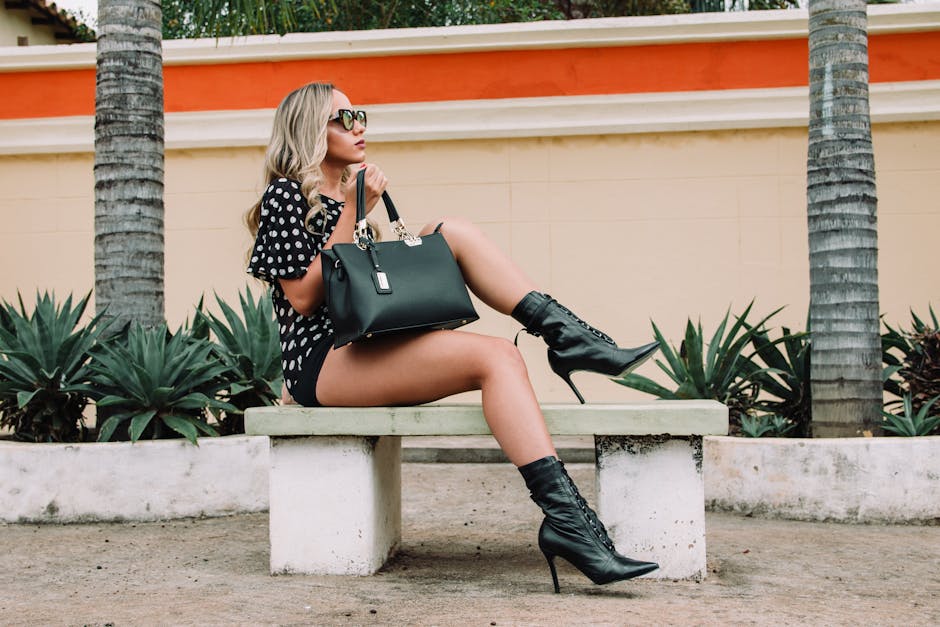
You believe you chose that Bottega Veneta for its craftsmanship, but what did you unconsciously signal to the world about your place in the trend cycle? That classic Chanel flap might scream 'timeless,' but to some, it whispers 'safe.' We're moving beyond the price tag to decode the silent language of luxury handbags and what your chosen accessory is really telling everyone about you. This isn't a buyer's guide; it's a psychological deep dive. Your handbag is not merely an accessory; it is a carefully chosen piece of cultural armor, a non-verbal broadcast of your identity, aspirations, and understanding of the social landscape. Prepare to see your collection in a new light.
You grab a bandana to tie back your hair or add a pop of color to your wrist, thinking it's just a simple accessory. But what if that piece of printed cotton has a secret history, acting as a powerful cultural signal for everything from rebellion to belonging? Before you tie your next knot, let's decode the hidden language you might be speaking without even realizing it. This isn't about how to fold a perfect triangle. This is an exploration of sartorial semiotics—the study of signs and symbols in clothing. The bandana is not merely a piece of fabric; it is a cultural telegraph, tapping out messages of affiliation, defiance, and identity for centuries. Its journey from the dusty trails of the American West to the polished runways of Paris is a story of co-option, reclamation, and reinvention. Understanding its past is the only way to wear it with intention today.
You stare at a closet packed with clothes, yet feel like you have nothing to wear. The solution isn't another shopping spree; it's a strategic shift in thinking. What if five key accessories could unlock hundreds of new outfits from the very clothes you already own, making you look more polished while saving you money? Most people treat accessories as an afterthought—a frivolous expense. This is a portfolio management error. These items aren't costs; they are high-leverage assets that multiply the value of your core wardrobe. By acquiring the right pieces, you're not just decorating an outfit; you're fundamentally altering its utility and impact. We will analyze five specific 'securities' for your style portfolio: the structured belt, the silk scarf, classic minimalist jewelry, the versatile shoulder bag, and timeless sunglasses. It's time to stop spending and start investing.
You see it on your feed: the perfect street style bag that instantly elevates a simple outfit. But in a world of micro-trends and fast fashion, how do you know if you're buying a future classic or a disposable fad? This isn't just another trend report; it's your guide to investing in style that lasts, helping you spot the difference between fleeting hype and lasting value. For years, I've sat front row at runway shows and spent just as many hours tracking the volatile tides of the luxury resale market. I've seen 'It-bags' evaporate into obscurity and quiet achievers become auction-house legends. This index is the distillation of that experience, designed to arm you with the critical eye of an editor, not the impulsive heart of a consumer.
Look past the designer sneakers and vintage denim in today's most compelling street style photos. The real story isn't in the clothes; it's in the gear. We're witnessing the rise of the 'accidental accessory,' where items designed for pure function have become the ultimate, unexpected markers of personal style. This phenomenon, which I term 'utilitarian bling,' is a silent rebellion against the curated perfection of traditional fashion. It favors the scuffed, the practical, and the proven. In this cultural shift, a rock-climber's carabiner, a battered Nalgene bottle, or the ubiquitous white stems of AirPods dangling from the ears are no longer just tools—they are the new status symbols, broadcasting a narrative of a life lived beyond the runway.
We've all seen them—individuals whose accessories seem to radiate an impossible polish, a quiet confidence that a brand-new 'it' bag can't replicate. The common assumption is a life of endless shopping, but the real secret is far more profound. True 'soigné' is a verb, an action, found not in the acquisition of luxury but in the forgotten art of its preservation. In a world saturated with fleeting trends and the relentless pursuit of the next status symbol, the soigné individual operates on a different plane. Their elegance is not a statement of wealth but a testament to their relationship with the objects they choose to own. This article delves into that relationship, exploring the philosophy that a well-cared-for classic will always outshine a neglected novelty.
You saw it on TikTok: the rosette choker, the cherry red handbag, the chunky silver jewelry. But will you still love it next month? Before you invest in a fleeting micro-trend that could drain your wallet, consider the fashion insider's secret—using Sinsay's accessories as your personal trend laboratory. This isn't about promoting disposability; it's about strategic intelligence. In an era where trend cycles spin at the speed of a viral video, committing to a high-ticket item is a high-stakes gamble. The Sinsay accessory aisle, with its sub-$10 price points, becomes a sandbox for style. It's a place to beta-test a look, to see if that 'eclectic grandpa' brooch or 'balletcore' ribbon actually integrates with your existing wardrobe before you splurge on the designer version. This is the art of hacking the system—using the tools of fast fashion against itself to make more considered, sustainable, and ultimately more stylish long-term decisions.
You don't need twenty ways to tie a scarf; you need a few that actually work. What's the one knot that won't fly into your face on a windy commute? How do you stay warm without a bulky knot strangling you under your coat? Forget fashion for a second—let's engineer the perfect, problem-solving scarf knot. This guide isn't a style catalog; it's a technical manual for your winter accessories. We will deconstruct the three most common cold-weather challenges and present an engineered knot—a specific, repeatable system—to solve each one. Consider this your new toolkit for mastering winter.
That coveted baguette bag tucked perfectly under your arm completes the look, a chic nod to '90s nostalgia. But what if the very accessory meant to elevate your style is subtly sabotaging your body's alignment, one fashionable outing at a time? We'll uncover the hidden postural problems caused by our favorite bags and reveal the stylist-approved, chiropractor-endorsed secrets to carrying them without compromise. As a physical therapist who pores over Paris Fashion Week collections with the same intensity I use to analyze gait patterns, I see the human body as the ultimate haute couture creation. It deserves to be treated with as much care as a vintage Chanel. This isn't about ditching your beloved accessories; it's about mastering the art of wearing them in a way that supports, rather than strains, your foundational structure.
You’ve perfected the outfit, but what's your game plan for the arctic-level A/C or the inevitable drink spill? Forget a bulky coat or a frantic search for club soda; the most strategic guest knows the secret is already part of their look. This is how to turn a simple scarf into the most versatile style and survival tool in your arsenal. Amateurs bring a purse; pros bring a plan. That plan, woven from silk, cashmere, or modal, is your ticket to navigating any social gathering with unflappable grace. It’s not just an accessory; it's your tactical advantage.
You're scrolling through H&M's online scarf collection, captivated by a chic print and an impossibly low price tag. But a familiar hesitation stops your click: will this feel like a luxury find or a cheap, staticky disappointment? This guide turns that gamble into a science, revealing the five specific digital clues that separate the surprisingly luxe H&M scarves from the ones you'll instantly regret. Forget blind hope; it's time to arm yourself with the digital forensics of fashion. We're going beyond the pattern and price to decode the very DNA of the product page, empowering you to curate a collection of scarves that feel like they came from a boutique, not a bargain bin.
Forget the endless '10 ways to tie a scarf' tutorials. We've been thinking about scarves all wrong—as a final touch, an afterthought. This guide treats your scarf not as an accessory, but as the protagonist of your outfit, a single piece of fabric that lets you become the Parisian Minimalist, the Eccentric Artist, or the Countryside Intellectual, all in the same week. We're not just adding a pattern; we're adopting a persona. This is about using a single, powerful item to signal a shift in mindset, confidence, and character. It’s the most potent, and most overlooked, tool in your psychological style arsenal.
You’ve perfected your pitch and polished your resume, but have you considered what your accessories are communicating in the boardroom? We're often taught that loud 'statement pieces' make an impact, but the most influential leaders know that true power is conveyed through quiet confidence and impeccable detail. This is the strategic advantage of Saba's accessories—they aren't just additions to an outfit; they are the final, decisive word. This article deconstructs this phenomenon. We will move beyond the surface-level discussion of 'fashion' and analyze Saba's collection as a masterclass in psychological influence. We will explore how their minimalist ethos leverages cognitive biases to build your professional authority, piece by piece, without you ever having to say a word. This is not about accessorizing; this is about armament.
You saw the headlines: the impossible shoes, the comically tiny bags, the jewelry that doubles as a sculpture. The internet's first question is always, 'But who would actually wear that?' We believe that’s the wrong question—these accessories aren't prescriptions to be followed, they're creative concepts to be deconstructed. They are provocations, theoretical proposals worn on the body. This article is not a shopping guide; it is a user manual for the imagination, teaching you how to translate the high-concept language of the runway into a personal dialect that speaks volumes about who you are.
We often buy accessories to complete an outfit, or give them as a simple, beautiful gift. But what if a piece of jewelry or a silk scarf could carry the symbolic weight of the gold, frankincense, and myrrh offered by the Three Kings? It's time to move beyond trends and discover how to choose accessories that anoint your daily life with a sense of the sacred and royal. In Spanish, 'Reyes' means Kings, a direct echo of the Magi who journeyed to bestow gifts of immense cultural and spiritual value. In our modern age, saturated with fleeting trends and disposable fashion, this ancient story offers a profound framework for re-evaluating our relationship with the objects we use to adorn ourselves. This is not about religious dogma, but about cultural inheritance—about viewing our accessories not as mere trinkets, but as a modern trinity of symbolic offerings we make to ourselves and to others. It’s a call to curate a collection that speaks of personal sovereignty, inner reverence, and enduring legacy.
You glance at your wrist, but not for the time—you're clearing a dozen notifications from your smartwatch. Retro style is more than just a nostalgic aesthetic; it's a quiet rebellion. We'll explore the specific accessories—from analog watches to fountain pens—that serve as stylish anchors to the real world, helping you log off without feeling left out. As someone who once lived by the dopamine drip of notifications, I can tell you that the path back to sanity isn't a Luddite-style rejection of technology. It's a conscious, curated embrace of its opposite. It’s about choosing tools that serve you, not the other way around. These retro accessories are not costumes; they are functional instruments of mindfulness, designed for a world that has forgotten the value of doing one thing at a time.
If you've searched for 'Rabeanco shoes' and come up empty, you're not alone. While the beloved leather goods brand doesn't have a major footwear line, its design soul—that perfect blend of minimalist form, quality materials, and everyday luxury—absolutely exists in the shoe world. Consider this your official guide to the footwear brands that are Rabeanco's spiritual twins. Instead of a fruitless search, we're embarking on a more rewarding mission: decoding the Rabeanco aesthetic and identifying the footwear architects who speak the same silent language of quality and form. This is about finding not a product, but a principle. We'll deconstruct the core tenets of Rabeanco's design—from its obsession with material purity to its architectural approach to shape—and then introduce you to the five brands that embody this philosophy from the ground up.
We've all experienced the heartbreak: that stunning new necklace leaves a green ring on your skin, or your favorite 'gold' hoops turn a coppery brown after one wear. The world of online artificial jewellery can feel like a disposable trap. But what if you could find beautiful, affordable pieces engineered to last beyond a single season? This isn't about finding a bargain; it's about finding value. The secret lies in moving beyond the flimsy, flash-plated brass that dominates fast fashion and stepping into the world of demi-fine jewellery. These are pieces crafted with superior base metals and thicker layers of gold, designed for longevity without the solid-gold price tag. Consider this your definitive guide to sourcing 'forever' faux—pieces that build a collection, rather than fill a landfill.
Remember that 'It' bag you coveted back in 2022? While others are debating if it's still in style, we're asking a more profitable question: was it a smart investment? We've crunched the numbers from the top resale markets to reveal which viral bags have appreciated in value and which were just fleeting, costly fads. This report moves beyond the runway and into the realm of asset management, treating your closet not as a collection of accessories, but as a portfolio of tangible investments. We dissect the market performance of the Y2K revival, the oversized tote phenomenon, and the micro-brand darlings to provide a clear, data-backed verdict on their financial legacy.
You picture a master craftsman, meticulously shaping a piece of gold. But what if your next pair of statement earrings was conceived by an AI and brought to life by a 3D printer? Forget what you know about jewelry; we're entering a new golden age where technology, not just tradition, defines the future of fashion. This isn't about replacing the artisan but augmenting their vision with tools of impossible precision and boundless creativity. We're moving beyond the limitations of the human hand to explore geometric complexities and forms of personalization that were, until now, the stuff of science fiction. This article illuminates the tectonic shift occurring in the world of haute joaillerie, where code is the new chisel and data is the new muse.
Before you say a single word, your tie has already spoken for you. From the bold power statement of a Full Windsor to the casual nonchalance of a Four-in-Hand, each style carries a secret history of class, rebellion, and ambition. Are you sure you're sending the right message? This is not a mere style guide; it is a semiotic deep dive. The necktie, a direct descendant of the Croatian cravat, has evolved from a military marker into the primary canvas for masculine expression in formal and professional settings. The fabric, the pattern, the width—all are important. But the knot is the verb in the sentence. It is the action, the intent. It is where the wearer imposes his will upon the fabric, and in doing so, broadcasts a wealth of information about his personality, his background, and his aspirations for the day.
You’ve seen it on runways and street-style stars: a sleek belt, buckled not at the waist, but snugly around the neck. Far from a simple accessory, this provocative piece carries a complex history from the worlds of punk and BDSM. This article decodes the neck belt, exploring why this potent symbol of power, rebellion, and vulnerability is suddenly fashion’s most talked-about statement.
Remember 2022? It was the year we tentatively stepped back into the world, blinking in the sunlight after years of virtual meetings. The accessories men chose weren't just about style; they were statements of intent, a quiet armor for our grand re-entry. We'll explore the key pieces that defined the year and uncover what they truly said about our hopes, anxieties, and the men we wanted to become again.
In an era of fleeting trends and fast fashion, we rarely consider if a new pair of socks or a scarf will outlive us. But what if a luxury accessory was designed not just for this season, but for the next generation? Maxhosa's intricate accessories challenge us to look beyond their price tag and see them for what they truly are: the beginning of a new family legacy, woven with the stories of a continent. This is not about acquiring another item for your wardrobe; it is about becoming the first custodian of an artifact. It’s a profound mental shift from consumer to curator, where a simple purchase becomes an act of cultural preservation and future storytelling.
That endless scroll on the Maxx website? It’s a treasure map, but most people don't know how to read it. While others see a jumble of random bags, you're about to learn the secret search tactics to pinpoint the hidden Prada, Coach, and Kate Spade deals every single time. This isn't about luck; it's about strategy. We're moving beyond passive browsing and into the realm of active, intelligent hunting. Prepare to transform your approach and your wardrobe, turning digital chaos into a curated collection of high-end accessories secured at prices that feel like a heist.
We all dream of the designer carryall, but our budgets often scream for something more practical. So we posed a question: could a tote bag that costs less than a week's worth of coffee actually survive our life? We took one of Max Fashion's most popular totes and put it through a grueling 7-day test of spills, over-stuffing, and daily abuse to see if fast-fashion can actually be tough-fashion. My well-loved (and ridiculously expensive) leather satchel was retired to the closet, and its $15 understudy was thrust into the spotlight. I was prepared for catastrophic failure. What I got was a lesson in practicality.
You see it all over your feed: that ridiculously cute, micro-mini, lime green handbag that costs a small fortune. You know it's a fleeting trend, but the temptation is real. This is the modern fashion dilemma, but what if the solution isn't skipping the trend, but spending smarter? Welcome to the 'Trend vs. Treasure' rule, a wardrobe strategy where a Max Fashion handbag isn't just a budget buy—it's your secret weapon.
You've seen the gorgeous designer bag on Instagram, sighed at the four-figure price tag, and resigned yourself to window shopping. But what if the secret to that luxury look wasn't saving up, but a £15 tote from Max Fashion and a bit of creativity? We're not just finding dupes; we're creating one-of-a-kind statement pieces, and we'll show you exactly how. This isn't about settling for less; it's about hacking the system. We see that simple, well-constructed Max bag not as an endpoint, but as the perfect blank canvas. It’s the foundational architecture for a piece that will have everyone asking, “Where did you get that?” Forget the brand name; we’re here to build a legacy of our own making, one stitch and one hardware swap at a time.
For most, the biggest mask frustration was foggy glasses or sore ears. But for millions of hijab-wearing women, it was an unsolvable puzzle—until a simple accessory was ingeniously re-engineered. The hijab mask chain is more than just a piece of jewelry; it’s a masterclass in adaptive design born from necessity. This small invention isn't a top-down directive from a luxury brand; it's a testament to the power of a community identifying a problem and engineering a beautiful, functional solution from the ground up. It represents a shift where user experience dictates design, proving that the most impactful innovations often come from those who live the problem daily.
We’ve been taught that luxury is meant to be seen—the unmistakable logo on a handbag, the flash of a designer watch. But what if the most profound luxury is the kind no one else ever notices? This is the world of private indulgence, where the ultimate status symbol is a secret kept only for yourself. For years, I navigated the gilded halls of heritage brands, watching fortunes being spent on items designed to broadcast success. Yet, the clients I most admired were the ones who purchased for an audience of one. They understood that true luxury isn't a shout; it's a whisper. It's the intimate dialogue between you and a beautifully crafted object, a conversation no one else needs to overhear.
You've seen them cinched around the thighs of festival-goers and runway models alike—the ubiquitous leg belt. But to dismiss it as just another edgy, fleeting accessory is to miss the point entirely. This piece is a quiet statement of power, a modern form of fashion armor that draws its strength from a hidden history of both sensuality and combat. It operates on a subconscious level, borrowing from cultural archives to signal strength, agency, and a deliberate ownership of the body. In a world saturated with fleeting aesthetics, the leg belt is a piece with a potent, triple-layered narrative: it is at once a tool, a weapon, and a trophy, worn on the wearer's own terms.
You've perfected your pout with Lakmé's 'Crimson Silk,' but have you found its handbag soulmate? Forget seeing the runway as separate pieces; we're decoding the secret language between beauty and accessories. Discover the exact bags from Lakmé Fashion Week that complement the cosmetic icons you already love. Here, we move beyond the face. A swipe of lipstick isn't just a final touch; it's the opening line of your style statement for the day. Your handbag is the punctuation. When chosen with intention, the two engage in a silent, powerful dialogue that defines your entire look. We've watched every show, scrutinized every collection, and curated the definitive pairings that transform a simple lipstick choice into a masterclass in personal styling.
You're searching for a belt and see two options: a trendy one for $20 and a classic leather staple for $100. The cheaper choice seems obvious, but what if the $20 belt is actually the most expensive one in the store? We're going to ignore the price tag and focus on the one metric that smart dressers swear by: the true cost-per-wear. As a stylist, I see clients make this costly mistake constantly. They're seduced by the low upfront cost, only to find themselves rebuying the same low-quality item season after season. This article isn't about shaming your budget; it's about re-engineering your mindset to build a wardrobe that serves you—financially, stylistically, and sustainably—for years to come.
That silk scarf you're admiring online isn't just a finishing touch for your outfit; it could be a smarter investment than your latest tech stock purchase. We're trained to see accessories as fleeting trends, but a select few hold—and even grow—their value significantly over time. This guide reveals the overlooked treasures you can find online and how to spot an asset in a sea of fast fashion. Forget the fleeting allure of the season's 'it' bag. My years spent with a loupe in one hand and a gavel in the other taught me to see beyond the label and into an item's soul—its craftsmanship, its history, and its potential for appreciation. We will explore seven specific categories of accessories that offer this unique blend of style and substance, turning your digital shopping cart into a diversified portfolio of wearable assets.
While Western fashion often screams for attention with bold, statement jewelry, Korean style has perfected the art of the whisper. It’s a philosophy hidden in plain sight: the power isn't in one loud piece, but in the deliberate 'punctuation' of an outfit with tiny, strategic accessories. Forget everything you think you know about making an impact; we're about to decode the subtle language that makes K-fashion so effortlessly chic. This isn't just about 'less is more'; it's about making 'less' do more work. It’s a conscious choice to guide the eye, to add a final, perfect note to a composition, and to tell a story of restraint and confidence. As a stylist working in the heart of Seoul, I see this every day—the quiet power of a single, perfectly placed earring or a thin chain against a collarbone. It’s time to learn the grammar.
You've seen the perfectly stacked rings and mismatched earrings on your favorite K-drama leads, but what if they're more than just pretty details? Korean fashion treats accessories as a secret language, a form of silent storytelling that reveals character arcs and hidden emotions. This is about decoding the subtext woven into every chain, clasp, and charm. Forget fleeting trends; we are entering the realm of semiotics, where a single silver ring isn't just decoration—it's a deliberate piece of punctuation in a sentence you wear. It’s the difference between a statement and a question, a whisper and a declaration.
You know the feeling: the glorious relief of walking into an air-conditioned building, quickly followed by the creeping chill that has you regretting your sundress. Before you reach for a bulky office cardigan, consider the elegant, whisper-light solution from Khaadi that solves the summer's most common style problem. We've been conditioned to see summer shawls as decorative afterthoughts, perhaps for an evening event. I'm here to argue that this is a fundamental misunderstanding of their power. The Khaadi summer shawl isn't just an accessory; it's an essential piece of personal equipment, a beautifully engineered tool for mastering the thermal whiplash of modern life. It's time to reframe it as your personal climate control system.
That delicate necklace or bold statement ring you chose this morning wasn't just an afterthought. It was a subconscious decision that broadcasts a story about who you are. We'll decode the hidden language of your favorite accessories, exploring the powerful psychological link between your jewelry box and your identity. This isn't about following trends; it's about understanding the silent dialogue between your inner self and the external world, mediated by the metals and stones you choose to wear. Prepare to see your collection not as mere decoration, but as a curated exhibition of your own psyche.
It started with a colorful patchwork cardigan, often misremembered as a 'scarf' across TikTok. But what began as a fan's desire to emulate a pop icon quickly unraveled into something far more significant: a quiet rebellion against the fast-fashion machine, one stitch at a time. This wasn't just another celebrity trend destined for the digital graveyard. It was a cultural catalyst. The JW Anderson cardigan worn by Harry Styles became a Trojan horse for slow fashion, smuggling the principles of patience, craftsmanship, and material value into the mainstream consciousness, all under the guise of a fun, viral challenge. It transformed passive consumers into active creators, proving that the most radical fashion statement you can make is creating something with your own two hands.
That long, dangling belt end you see on city streets and style feeds isn't a mistake or a sign of sloppiness; it's a statement. In an age of algorithm-approved perfection and hyper-curated digital lives, this small act of 'sprezzatura' is fashion's quiet rebellion—a deliberate choice to be beautifully undone. It’s a sartorial sigh of relief, a crack in the polished veneer of our online personas. This trend isn't about the belt itself, but about the space it occupies—the un-tucked, un-looped, and uncontrolled. As a fashion anthropologist, I see this not as a fleeting fad, but as a significant cultural marker reflecting our collective fatigue with flawlessness.
Look down at the ring on your finger or the pendant around your neck. If it came from a factory, its story is a price tag. But handmade jewelry speaks a different language—a secret narrative of intention, flaws, and history that you don't just wear, but continue. These pieces are not sterile objects of adornment; they are artifacts, imbued with the energy of their creator and the history of their materials. They challenge the very idea of perfection, suggesting instead that the most compelling stories are found not in flawless symmetry, but in the unique character of a human touch. This article explores how to read, inherit, and add to that story, transforming your jewelry from a simple accessory into a wearable biography.
Remember 2022? The year crescent bags hung from every arm and vibrant, dopamine-inducing colors dominated our feeds. While the thrill of snagging that must-have bag was real, we're asking the tougher question now: was it a smart investment? We audited 2022's biggest handbag darlings to see which ones have appreciated in value and which ones were just expensive, fleeting moments. This isn't a style retrospective; it's a financial post-mortem. We're treating these bags like the assets they were marketed as, evaluating their performance with the cold, hard data of the secondary market. Prepare to see which purchases are now paying dividends and which have become cautionary tales.
Forget leather and logos. The most provocative accessory whispering its way down the runway is something far more primal, something that was once alive. We're talking about the 'hair belt,' a controversial trend that forces us to question where the body ends and the garment begins. This is not a craft project; it is a complex artistic gesture, a piece of bodily rhetoric that speaks volumes about mortality, identity, and the beautiful horror of our own physicality. To dismiss it as merely 'weird' is to miss the point entirely. This is fashion operating on the same plane as conceptual art, demanding not just to be seen, but to be intellectually dissected.
Remember the puffy, cloud-like totes and tiny Y2K shoulder bags that dominated 2022? These weren't just random trends; they were sartorial clues to our collective psyche. In our first full year of re-emergence, our choice of handbag became a silent statement about our need for comfort, our nostalgia for simpler times, and how we were learning to navigate the world again. As a fashion psychologist, I see these accessories not as mere objects, but as psychological artifacts. They were the vessels—both literal and metaphorical—that we chose to carry our belongings, yes, but also our anxieties and aspirations as we stepped back into a world that felt both familiar and irrevocably changed. This article unpacks the three dominant handbag archetypes of 2022 and decodes the cultural story they tell about us.
You've meticulously chosen the perfect coat and the killer boots, yet your look still feels... safe. The problem isn't your outfit; it's your outdated approach to accessorizing. It's time to stop treating gloves as a weather-based afterthought and start seeing them as the main event. For years, we've been held captive by the cult of the It-Bag, a predictable and often deafeningly loud declaration of trend-allegiance. I'm here to tell you that the true epicenter of power has shifted. It's quieter, more deliberate, and it lives on your hands. The statement glove is no longer a quaint vintage nod; it is the new nexus of a truly considered look.
Look closely at the hair bands taking over your social feeds. The delicate florals and simple elastics have been replaced by padded, pearl-studded, and powerfully structured 'crowns.' This isn't just a fleeting fashion moment; it's a statement. We're not just holding back our hair—we're subconsciously armoring ourselves for the world. As we navigate the complexities of a post-pandemic reality, our sartorial choices have become more deliberate, more meaningful. This rise of the statement headband is a potent, non-verbal cue—a declaration of presence, a reclaiming of personal space, and a subtle form of psychological fortification we are collectively craving.
You've been told to invest in timeless, high-quality accessories, but when it comes to trying men's jewelry for the first time, that's terrible advice. The men's necklace section at H&M isn't where you find a forever piece; it's where you find out if you're a 'necklace guy' for under $20, completely risk-free. Forget the pressure of finding the perfect sterling silver chain that will last a lifetime. Your first mission isn't acquisition; it's reconnaissance. You are gathering intelligence on your own habits, comfort levels, and aesthetic inclinations. This isn't shopping—it's a calculated experiment. The H&M necklace is your lab equipment, a disposable tool designed to yield a single, crucial piece of data: Does this work for you? Or not?
We remember the era for its glittery butterfly clips and candy-colored sunglasses, often dismissing it as a quirky, slightly cringe trend. But what if that explosion of playful, disposable glamour wasn't just a fashion moment, but a direct symptom of the dot-com bubble's manic optimism? This is the untold story of how irrational economic exuberance bedazzled itself onto our belts and bags. These weren't just adornments; they were low-stakes stock options in a future that seemed limitlessly bright and technologically fabulous. To understand the plastic fantastic world of Y2K accessories is to understand the giddy, precarious mindset of an economy on the brink of both breakthrough and collapse.
That familiar ache in your shoulder at 5 PM isn't just from hunching over your desk; your beloved, overstuffed tote is the stylish culprit. We've been taught to accept that a chic office bag means inevitable back pain. What if your most powerful accessory was also your most supportive one? As a physical therapist who spent years treating the consequences of so-called 'it-bags,' I've pivoted to style consulting with a clear mission: to reframe our perception of luxury. True luxury isn't a logo that causes you pain; it's intelligent design that empowers your day and protects your future. This isn't about choosing between style and well-being. It's about demanding both.
That gown in the back of your closet—the one that's beautiful but never fits quite right—doesn't need a tailor. It needs a secret weapon. Forget expensive alterations; we're revealing the stylist's trick to using a simple belt to completely transform a gown's silhouette, fix a baggy waist, and create a custom-fit look in seconds. As a stylist, I've seen countless clients ready to discard stunning dresses because of minor fit issues. My response is always the same: let's re-architect the garment. The belt is not a mere accessory in this context; it's a structural tool. It’s the difference between a gown wearing you and you commanding the gown. This is about harnessing the power of a single line to redefine shape, add intention, and unlock the hidden potential of your wardrobe.
Let's get one thing straight: you're not buying a family heirloom in the H&M men's accessory aisle. But dismissing it as 'cheap' is the biggest mistake you can make. What if its trendy, low-cost nature isn't a bug, but a feature—your secret weapon for test-driving luxury looks without the high-stakes price tag? This is about treating the fast-fashion jewelry rack not as a destination, but as a strategic laboratory. It’s your personal style incubator, a place to prototype your next aesthetic move before committing serious capital. Forget forever-pieces; think of this as a temporary pass to the VIP style lounge. You're here to experiment, to fail cheaply, and to ultimately discover what version of 'you' is worth investing in.
The gyaru aesthetic was born from a rebellion of glorious excess—more glitter, more charms, more everything. But as the world leans into minimalism and sustainability, how does this unabashedly maximalist style survive? Far from fading away, a new generation is proving that you can be both eco-conscious and outrageously decorated. This isn't a contradiction; it's an evolution. The spirit of gyaru was never just about buying things; it was about defiant self-expression. Today, that defiance is aimed squarely at the twin pressures of minimalist conformity and fast-fashion wastefulness, creating one of the most exciting and resourceful movements in modern street style.
You've seen it shimmering on the H&M rack—the chain scarf. It's bold, a little intimidating, and it's calling to a more daring version of you. Before you dismiss it as 'too much' or a fleeting trend, consider this: what if this one accessory is the cheapest experiment you can run to unlock a whole new level of personal style? This isn't just another piece of metal; it's a litmus test. For less than the cost of a weekend brunch, this single item offers a portal into the high-fashion hardware trend that has dominated runways from Bottega Veneta to Givenchy. We're not just reviewing an accessory; we're proposing a hypothesis: that this chain scarf can tell you more about your style evolution than a dozen magazine quizzes.
In a world saturated with logo-heavy totes and micro-purses vying for 'it-bag' status, the most powerful statement is one of stylish refusal. The Ganni keychain wallet isn't just a place for your cards; it's a declaration of freedom from sartorial baggage, proving that the chicest thing you can carry is, well, almost nothing at all. It signals a shift in the cultural currency of style, moving away from the visible weight of wealth towards the invisible confidence of a life well-edited. This small piece of recycled leather is less an accessory and more a philosophy clipped to your jeans—a testament to the idea that true luxury is not what you can acquire, but what you can live without.
Think of Darth Vader's menacing leather, Audrey Hepburn's elegant opera gloves, or Ryan Gosling's iconic driving gloves in 'Drive'. This isn't just costuming; it's character. We'll explore why this single accessory is the most potent, unspoken piece of storytelling in a filmmaker's arsenal, revealing more than any line of dialogue ever could. Long before a character utters their first line, their hands—or rather, what covers them—have already told us who they are, what they hide, and what they're capable of. Gloves are the ultimate narrative shorthand, a silent monologue delivered through fabric and leather.
We’ve all fallen for it: the perfect, trendy gold necklace on Amazon, only to have it leave a sad, green ring on our skin a week later. But what if you could find chic, affordable pieces that don't come with a tarnish-by-date? We went deep into the Amazon jungle, scrutinizing materials and testing wearability to uncover the fashion jewelry that's actually built to last. This isn't another list of fleetingly popular baubles. This is a material-first manifesto. Forget the influencer photos and the five-star reviews from last week. We’re digging into the fine print—the stuff most people skip—to build a foundational collection of accessories that withstands sweat, showers, and the test of time, without turning you into a walking science experiment. It’s time to shop smarter, not cheaper.
You typed 'Folli Follie watch made in,' likely searching for a simple answer—a country of origin that speaks to quality. But with this particular brand, that simple question unravels a complex story of global supply chains, marketing illusions, and one of the biggest scandals in modern fashion. The label on the back of the watch is only the beginning. It's a breadcrumb that leads not to a quaint workshop in Greece, as the brand's sun-drenched marketing might suggest, but to the sprawling, hyper-efficient factories of Asia where the modern fashion accessory is truly born. This isn't just a Folli Follie story. It's the story of nearly every glossy, brand-name watch you see advertised on social media, and understanding it is the key to becoming a smarter consumer.
You meticulously picked out your watch and your shoes, but what about the bag you carry every day? We often treat it as a functional afterthought, a mere vessel for our laptop and keys. But that bag is speaking volumes about you before you ever say a word—and this is what it's telling the world. As a style analyst, I see a man's bag not as a utility item, but as the epilogue to his sartorial story. Your suit is the plot, your shoes are the climax, but the bag is the final statement that reveals where you've been and, more importantly, where you're headed. It's a conscious choice that broadcasts your values, your professional tribe, and your personal hierarchy of needs—whether you realize it or not. In this analysis, we will move beyond mere aesthetics and decode the powerful, unspoken language of the modern man's bag.
For centuries, the frill has been fashion's shorthand for delicacy and romance. Now, picture that same soft ruffle bound by the cold, hard weight of a metal chain. This jarring combination is no accident—it's a deliberate statement, a visual manifesto that asks: what happens when 'pretty' decides to fight back? This isn't merely an aesthetic juxtaposition; it's a sociological text written in fabric and metal. The 'frill chain' trend is the uniform for a generation grappling with the performance of femininity, a sartorial declaration that vulnerability and strength are not mutually exclusive. It's the visual language for a new kind of power, one that doesn't discard its softness but rather armors it, making it clear that the delicate is no longer synonymous with the defenseless.
Look down at the ring on your finger. You might see it as a simple accessory, but what if it’s a miniature skyscraper, a testament to Bauhaus principles of form and function? We reveal how the world's greatest architects have unknowingly designed the pieces in your jewellery box, transforming precious metals into wearable blueprints. This isn't merely about aesthetics; it's a shared language of structure, materiality, and human ambition, scaled down from the urban skyline to the human form. We often see jewellery as ornamentation, but I invite you to see it as inhabitable space—a personal architecture that communicates our values before we ever speak a word.
Remember 2021? It was the year of tentative steps back into the world, and our handbags were carrying more than just hand sanitizer. They were carrying our post-lockdown anxieties and our desperate hopes for normalcy, becoming a form of psychological armor. This is the story of how the bags we chose revealed everything about who we were in that uniquely strange moment in time. In this analysis, we will dissect the three dominant handbag archetypes of the year—The Comforter, The Throwback, and The Statement—not as mere trends, but as tangible expressions of our collective psyche. We'll explore how these accessories became our silent communicators, broadcasting our needs before we even spoke a word.
Your search for a 'fashion accessories shop near me' probably led you to the same three chain stores you already know. But the most memorable pieces—the ones that tell a story—aren't found on the first page of Google. Let's ditch the algorithm and learn how to hunt for the truly unique accessories hiding in plain sight in your own neighborhood. This guide is your new map, trading sterile search results for the thrill of discovery. We're not just shopping; we're embarking on a mission to find the soul of our city's style, one handcrafted piece at a time. Forget the predictable. It's time to become a curator of your own collection, filled with items that have a pulse, a history, and a creator you can champion.
You typed 'fashion accessories store near me' hoping for inspiration, but instead, you got a map of the same mall stores you've seen a thousand times. What if your next great find—a handcrafted necklace or a one-of-a-kind scarf—is waiting in a small, charming boutique just around the corner, a place that Google Maps might have missed? That search bar, for all its power, often serves up the expected, the mass-produced, and the predictable. It points you to the highways of retail, completely ignoring the scenic backroads where true style and craftsmanship reside. This guide is your new map. We're bypassing the algorithm to embark on a curated tour of your own community, uncovering the artisan studios and independent shops that hold the key to a truly personal style. It's time to shop with intention and discover the stories woven into the very fabric and metal of your next favorite piece.
You could type 'fashion accessories near me' into your search bar and get a list of the same chain stores you'd find in any city. Or, you could turn that search into an adventure. This guide is for those who want to go beyond the mall and uncover the hidden workshops, pop-up markets, and local makers where true, story-rich style is born. Forget mindless consumption; we're embarking on a cultural expedition. This isn't just about accessorizing your outfit—it's about adorning your life with meaning, connecting with the creative pulse of your own community, and becoming a patron of tangible, wearable art. Consider this your map and your compass.
You think you're just browsing a fashion accessories shop, but you're actually shopping for a new piece of your personality. That bold ring or delicate necklace isn't just an adornment; it's a piece of psychological armor, a social signal, and a tool to shape how you feel and how others see you. We're going beyond trends to decode the silent, powerful language of the accessories you choose. This isn't about consumption; it's about construction—the deliberate, powerful act of building the person you want to be, one carefully chosen piece at a time. Forget what's in vogue and let's explore what's in you.
Remember 2022? It wasn't just a year of re-openings; it was a year of sartorial screaming. The chunky platforms, vibrant micro-bags, and pearl chokers weren't just trends—they were our collective exhale, a visual language for a world desperate to feel something again. To dismiss the explosion of Kelly green, Barbiecore pink, and statement pearls as mere cyclical fashion is to fundamentally misunderstand the moment. These accessories were not whispers; they were declarations. They were cultural artifacts produced in the crucible of a global crisis, each one a clue to our shared psychological state as we blinked in the harsh sunlight of a 'new normal'. In this analysis, we move beyond the trend report to decode what these choices truly signified about our collective desires for joy, security, and unapologetic presence.
Have you ever wondered why you call your earrings 'hikaw' (a native Tagalog word), but your watch a 'relo' (from Spanish), and your favorite handbag is just a 'bag' (from English)? This isn't just a language quirk. The words we use for our accessories are a fascinating timeline of Filipino culture, and we're about to unpack the history hidden in your closet. Each word is a cultural artifact, a fossilized remnant of a specific era's influence on our identity and how we choose to adorn ourselves. By examining the etymology of these everyday items, we're not just learning linguistics; we're excavating the story of the Philippines, one accessory at a time.
Look closely at that intricate gold filigree in the museum display. It wasn't made by a machine or a 3D printer; it was crafted using skills that are now on the brink of extinction. This isn't just about 'fancy' gold jewellery—it's a journey into the soul of the craft, exploring the forgotten arts that modern technology may never replicate. My master, a man whose hands hold more history than most textbooks, calls this the 'ghost in the gold'—the indelible, human signature left by a true artisan. We are not here to discuss what is trendy or expensive; we are here to discuss what is priceless and disappearing. We will journey past the glitter of the showroom to the hushed, focused world of the master's bench, where the real magic happens.
You've chosen the perfect suit and a crisp shirt for your big meeting, but you pause at your tie rack. You probably think the choice is purely about color and pattern, but the knot you tie sends a message long before you say a word. From the confident bulk of a Full Windsor to the relaxed asymmetry of a Four-in-Hand, your tie is a subtle signal of your personality and intent—and this guide will teach you how to speak its language. As an image consultant, I've seen countless professionals undermine their presence by choosing a knot that clashes with their objective. They deliver a powerful presentation, but their tie whispers uncertainty. This article is not about fashion; it's about strategic communication. We will dissect the most common knots and decode the silent messages they broadcast, empowering you to align your appearance with your ambition.
Forget everything you think you know about the corset belt. We're not talking about simple waist-cinching; we're talking about wardrobe architecture. This single item holds the power to transform your oversized blazer into a structured peplum top and your shapeless dress into a couture-level silhouette, all without a single stitch. It is not an accessory you add to an outfit; it is the tool you use to build the outfit itself. By treating your existing clothes as raw material—mere bolts of fabric waiting for form—the corset belt becomes your primary instrument of creation, allowing you to manipulate drape, volume, and proportion with an architect's precision. This is your license to become the master builder of your own style.
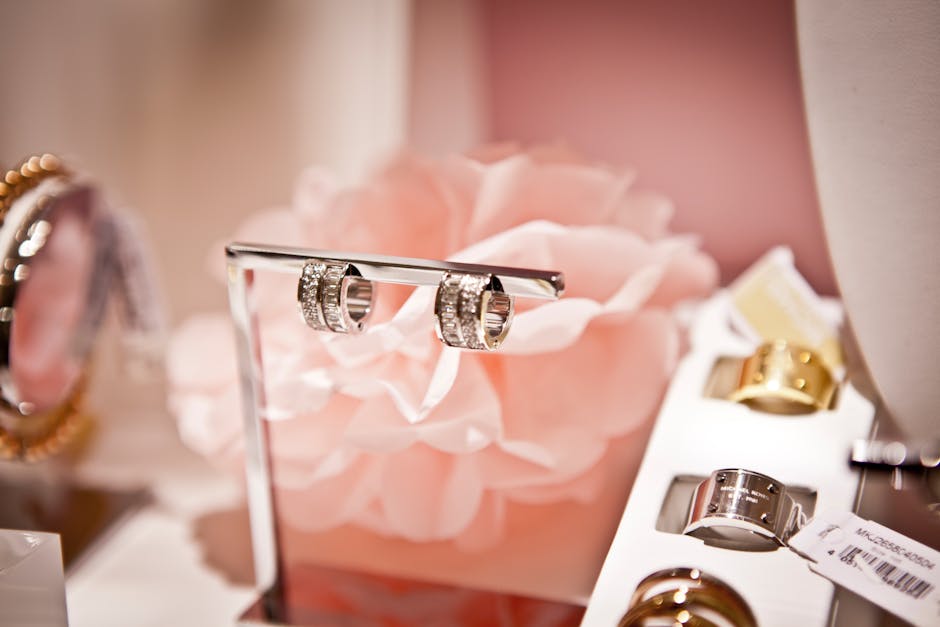
You've found them: the perfect $400 designer earrings shimmering on your screen, ready to elevate your entire wardrobe. But before you click 'buy', have you ever questioned what that luxury price tag actually represents? We're pulling back the curtain to investigate whether you're paying for true craftsmanship or simply a name brand stamped on gold-plated brass. This isn't about shaming your love for luxury; it's about arming you with the knowledge to demand more for your money and your values. The world of online designer jewellery is a dazzling one, but beneath the polished photography and influencer endorsements lies a complex reality of material science, marketing psychology, and staggering profit margins. It's time to become a more discerning consumer and look beyond the logo.
Pinning a brooch to your coat lapel is a classic choice. It's also the most predictable one. We're moving beyond the obvious to treat your outerwear like a canvas, applying the principles of visual design and composition to transform your entire look with a single, perfectly placed pin. Forget seeing a brooch as a mere accessory; it is a punctuation mark, a focal point, and the architectural detail that provides structure to your sartorial statement. This guide will deconstruct the art of placement, transforming your approach from a simple act of decoration into a deliberate, impactful design choice.
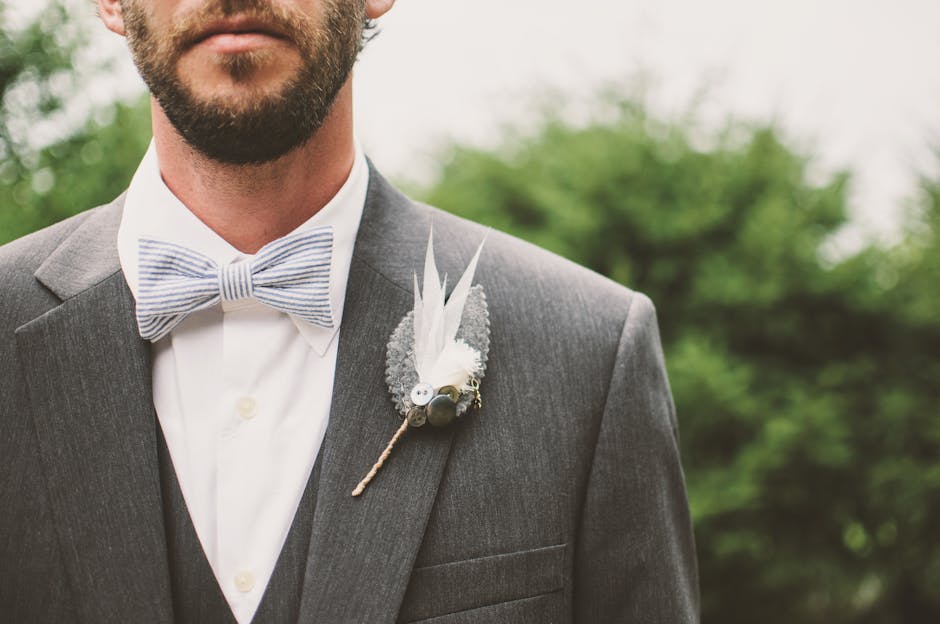
Your suit is a uniform, a carefully constructed armor for the modern world. But while everyone else obsesses over the perfect tie knot or a crisply folded pocket square, the most powerful statement is being made in a place they least expect: your lapel. This small piece of real estate, so often overlooked, is the final frontier of personal expression in menswear. It’s where the uniform ends and the individual begins. Forget seeing the brooch as a mere decorative flourish; it is your sartorial signature, a condensed narrative that communicates your values, your history, and your intent before you've even spoken a word.
Remember 2022? It felt like every neckline was suddenly adorned with a choker, a ghost of fashion past brought back to life. But this wasn't just a simple 90s revival; it was something more complex. What if that delicate pearl strand or chunky silver chain was more than an accessory—what if it was a secret handshake, a subtle signal of your entire identity? The resurgence of the choker was not a monolith. It was a deeply fractured, highly specific language that emerged from the social flux of the post-pandemic era. Each variation was a distinct dialect, a coded message about how we saw ourselves and the world we were re-entering. This wasn't just about accessorizing; it was about defining one's place in a new, uncertain social landscape.
It's back again, that simple band around the neck. But before you dismiss it as just another recycled 90s fad, consider this: the choker has a strange habit of reappearing during history's most turbulent moments. From the French Revolution to the punk uprising, this single accessory tells a deeper story about our collective psyche, one of rebellion, restriction, and resilience. This isn't mere coincidence; it's a pattern. I call it the 'Choker Index'—a cultural barometer that measures our societal anxiety. When the Index is high, when we feel economically precarious, politically polarized, or socially suffocated, the choker re-emerges from the archives. It is a tangible expression of an intangible feeling, an adornment that paradoxically embraces the very feeling of constriction we seek to overcome.
That delicate gold chain around your neck and the heavy, industrial links on a runway model's belt share a complex history. Long before it was a fashion statement, the chain was a potent symbol of both imprisonment and unbreakable bonds. This piece delves into that duality, exploring what we're really saying when we choose to wear our chains. As an object, the chain is a paradox made manifest in metal; it is at once a signifier of the captive and the captain, the rebel and the romantic. We will decode this visual language, tracing its journey from a tool of control to a totem of personal expression and cultural capital.
You've seen the H&M chain scarf everywhere; it's the perfect, edgy accessory for right now. But what happens in six months when the trend fades? Before you relegate it to the donation pile, consider this: its true value isn't as a scarf, but as a kit for your next favorite DIY accessory. This isn't just another piece of fast fashion destined for the landfill. It's a treasure trove of raw materials—links, clasps, and connectors—waiting for a style-savvy hacker like you to unlock its true potential. We're going to transform this fleeting trend into a collection of timeless, personalized pieces that will outlast the hype cycle.
Look past the runway and closer at the clean lines and rigid form of today's most coveted accessory. The box bag trend isn't just a style moment; it's a masterclass in miniature architecture. These aren't just bags—they are meticulously constructed objects, challenging us to see our personal style through the eyes of a designer. They are handheld edifices, pocket-sized pavilions demanding we consider the principles of structure, materiality, and the deliberate use of negative space in our daily wardrobe. Before you dismiss it as another fleeting trend, I invite you to see it for what it truly is: a foundational shift in how we perceive the objects we carry.
The power tie had a good run, but its reign as the ultimate symbol of boardroom authority is over. In a world that values individuality over conformity, a flash of silk at the neck feels predictable. The new power move is quieter, sharper, and far more personal: the lapel brooch. For decades, men were taught that a bold, striped tie was the visual equivalent of a firm handshake. It was a uniform of intent, a declaration of ambition within an established system. But that system has fractured. Today's currency isn't compliance; it's creativity, authenticity, and a distinct point of view. The tie shouts allegiance to the institution. The brooch, in its quiet confidence, whispers your personal philosophy. This article isn't just about accessorizing; it's about re-arming your professional wardrobe with a tool of silent, surgical precision.
Remember 2022? As the world reopened, our wardrobes shifted dramatically from soft sweatpants to structured statements. The most telling accessory wasn't a bag or a shoe—it was the humble belt, suddenly tasked with the monumental job of reclaiming our shape and signaling our return to the world. This wasn't a mere trend; it was a collective, non-verbal declaration. After two years of amorphous silhouettes and elasticated waists that blurred the lines between public and private, the act of cinching, buckling, and defining our midsections became a powerful psychological tool. We weren't just holding up our trousers; we were re-establishing boundaries, drawing a line between the lockdown self and the re-emergent individual. The belt, in its myriad forms, became the focal point of this sartorial rebirth, the accessory that gave our new chapter its shape.
You've been thinking about your belt all wrong. We're taught it has one job: to keep your jeans from slipping. But what if its true purpose has nothing to do with function and everything to do with visual composition? It's time to see your belt not as a practical tool, but as the architectural element that frames your silhouette and transforms a simple look into a deliberate style statement. Forget function. We're here to talk about form, focus, and the art of the horizontal line. This isn't about need; it's about intent. Every time you loop a belt through your jeans, you're not solving a problem—you're making an artistic choice.
Remember that 2022 'It' bag you absolutely had to have? Let's be honest, is it still in your rotation or is it gathering dust? We're dissecting the biggest bag trends of 2022 to separate the enduring icons from the forgotten fads, giving you the final verdict on what was truly a smart investment. As a forecaster, I've seen countless trends flare up and burn out. The key isn't just identifying what's next, but understanding what will last. Consider this your official post-mortem report on the accessories that defined a year, and a guide to making smarter choices for your wardrobe going forward.
That unmistakable flash of a thousand Swarovski crystals isn't just catching the light—it's capturing a cultural moment. Before you dismiss the B.B. Simon belt as simple Y2K bling, understand this: it’s a complex symbol, speaking a secret language of status, nostalgia, and the defiant art of being seen. This isn't a mere accessory designed to hold up your jeans; it's a wearable thesis on the psychology of the 'flex.' It's a cultural barometer, tracking the pressure systems of unapologetic maximalism as they move from the epicenter of 2000s hip-hop to the ironic, nostalgia-fueled world of Gen Z's digital aesthetic. To understand this belt is to understand a specific, potent dialect of fashion communication.
Look back at the bags of 2022. They weren't just accessories; they were a cultural barometer measuring our collective mood. From the impractical fantasy of the micro-bag to the survivalist-chic of the oversized tote, each trend told a story about a world grappling with newfound freedom and lingering anxiety. These objects, slung over our shoulders and clutched in our hands, were the most honest storytellers of the era. They were vessels not just for our keys and wallets, but for our conflicting desires to either escape the weight of the recent past or carry its lessons with us, girded for the future. In this analysis, we will unpack the semiotics of these trends to decode the silent dialogue they conducted about who we were and who we wanted to become.
Remember 2022? The year of the ubiquitous crescent bag and the shockingly tiny micro-purse. While some of those trends have faded faster than a runway flashbulb, others have quietly become modern classics. We're looking back with a critical eye to issue the official report card: which 2022 bag trends were a worthy investment, and which were just a fleeting fling? In the world of style portfolio management, accessories are assets. Some appreciate, offering dividends in versatility and longevity, while others depreciate the moment they leave the showroom. This analysis is for the discerning collector who views their closet not just as a collection of clothes, but as a curated portfolio of personal style assets. Let's separate the blue-chip buys from the speculative bubbles.
That oversized silver buckle or vintage bolo tie isn't just an accessory; it's a statement. Before you strap on a piece of western wear, understand that you're speaking a language rich with history and symbolism. This guide decodes that language, helping you choose the pieces that tell your story, not just follow a trend. We're moving beyond the simple 'how-to' and entering the realm of 'why.' This is not about costuming; it's about character. In a world of fleeting digital trends, the tangible, story-rich world of Americana offers an anchor. Let's explore how to use its vocabulary to articulate your own modern narrative.
Ever wonder why one faux-gold necklace tarnishes in a week while another fools even the most discerning eye? The secret isn't magic, it's metallurgy. We're moving beyond basic style tips to reveal the specific materials that give artificial jewellery its expensive-looking character, ensuring your next purchase elevates your style instead of cheapening it. As a buyer, I've seen countless pieces that either fall apart or become masterpieces of affordable luxury. The difference is always in the details—the science behind the shine. This guide is your new insider rulebook.
You've seen the photos: a silk scarf tied as a bohemian headband or knotted at the neck of a disco queen. But what if that simple piece of fabric was more than just a fashion statement? In the 1970s, the way you wore your scarf was a secret code, broadcasting your tribe and your beliefs to the world. This wasn't just about aesthetics; it was a socio-political broadcast worn around the neck, head, or wrist. In a decade fractured by the Vietnam War, civil rights movements, and economic uncertainty, personal style became a primary vehicle for self-identification. And the humble scarf, accessible and versatile, became its most potent and nuanced messenger.
You think you know 90s grunge accessories: the worn-in Doc Martens, the slouchy beanie, the ever-present flannel tied around the waist. But what if the most radical thing about these items wasn't their angst, but their androgyny? This wasn't just about looking disheveled; it was about dismantling the very idea of 'his' and 'hers' fashion, one combat boot at a time. While the iconic musicians of the era—from Kurt Cobain in his thrift-store cardigans to Layne Staley in his oversized sunglasses—became reluctant style icons, the true revolution was happening at the granular level of accessories. These were not statements of glamour or rebellion in the vein of punk or glam rock. Instead, they were artifacts of practicality, comfort, and anti-consumerist sentiment that, by their very nature, existed outside the rigidly gendered fashion system of the time. This article delves into how this accidental androgyny laid the groundwork for the fluid expressions of identity we see today.
Remember the sheer panic of choosing which single item—your Motorola RAZR or a Lancôme Juicy Tube—would fit in your impossibly tiny handbag? We dismissed it as a trend, but what if our 2000s accessories were more than just questionable style choices? This wasn't just fashion; it was a carefully curated social armor for the new millennium. Before influencer-driven aesthetics and curated Instagram grids, we had a more tactile, analog system of personal branding. Our accessories were our bio, our away message, and our shield against the brave new world of reality television, digital cameras, and the relentless flash of the paparazzi that defined the era.
Remember the bags everyone had to have in 2022? From vibrant mini bags to oversized carryalls, the year was full of must-have styles. But now that the dust has settled, we're asking the real question: which of those coveted bags were a fleeting trend, and which were actually a brilliant addition to your wardrobe's investment portfolio? As a market analyst, I don't see handbags as mere accessories; I see them as assets with measurable performance. This report moves beyond aesthetics to conduct a financial post-mortem on the most coveted styles of 2022, separating the blue-chip assets from the speculative bubbles.
Forget what you think you know about past trends. The jewellery fashion of 2022 wasn't just a collection of fleeting fads; it was a dress rehearsal for the world we live in now. Look closer, and you'll see those seemingly random styles were actually precise clues, predicting the socio-economic shifts and aesthetic obsessions that define our current style landscape. That year, our jewellery boxes became a battleground of ideas. On one side, the jubilant, almost childlike explosion of colourful beads and Y2K-inspired charms. On the other, the stoic, weighty presence of chunky gold chains and timeless pearls. These weren't opposing forces; they were two distinct prophecies foretelling the dual consciousness of today's culture: a desperate search for uninhibited joy and a simultaneous retreat into the safety of tangible, lasting value. In this article, we'll dissect these clues and reveal how the jewellery we wore then laid the complete groundwork for the style narratives we live by today.
We're told a jewellery collection is built piece by piece, a treasure chest filled with acquisitions. But what if we've been looking at it all wrong? Imagine your collection not as a static vault, but as a living garden—one that requires thoughtful planting, seasonal pruning, and patient cultivation to truly blossom. This approach transforms the act of adornment from a passive display into an active, intentional expression of self. It asks us not 'What can I get?' but 'What can I grow?'. By tending to our jewellery box with the care of a gardener, we cultivate a collection that is not only beautiful but deeply, authentically our own, evolving with us through the seasons of our lives.
We all have 'that dress'—the one with the stunning print but a shapeless fit, or the one that's just a little too big. Before you list it for resale, what if the solution wasn't a tailor, but a single, strategic accessory you can find online? This guide reveals how the right belt can rescue your most problematic dresses and unlock outfits you never knew you had. Forget thinking of a belt as an afterthought; it's time to see it as the most powerful, cost-effective tool in your styling arsenal. We're not just adding an accessory; we're performing wardrobe surgery, and the belt is our primary instrument.
Remember the men's accessory trends of 2022? While some fads have faded, a select few weren't just passing moments—they were the quiet beginning of a style revolution. We're pulling back the curtain to show you how the pearl necklaces, signet rings, and crossbody bags of 2022 secretly laid the groundwork for the biggest menswear movements you're seeing today. These pieces weren't just decorative; they were style seeds, planted in the fertile ground of a post-pandemic world hungry for self-expression. They challenged conventions, redefined practicality, and ultimately provided the DNA for the modern man's wardrobe. Let's deconstruct the artifacts of the recent past to understand the present.
Remember 2022? It was the year of the Y2K chain belt revival and the ultra-wide corset. But now that we're looking in the rearview mirror, which of these much-hyped accessories actually earned a permanent spot in our closets, and which were just a flash in the pan? Consider this the final report card for the belts of 2022. As analysts, we aren't swayed by runway hype; we're interested in return on investment. The currency isn't money, but longevity and versatility. Let's dissect the graduating class.
That simple square of paisley cotton in your drawer is more than just an accessory; it's a character statement. Forget basic lists of knots and folds. We're decoding the bandana's power to instantly channel an entire persona, from the '70s rock god to the modern-day artisan. This isn't about simply adding a 'pop of color.' This is about semiotics. The bandana is a cultural semaphore, a small flag you raise to signal your tribe, your philosophy, your very approach to the day. The way you tie it, the fabric you choose, and where you place it all contribute to a narrative. We're here to help you become the conscious author of that narrative, choosing an archetype that resonates with the man you are—or the one you aspire to be.
You came looking for a price tag, but the story of Gucci's most expensive hat isn't about the cost—it's about the value. This isn't just headwear; it's a meticulously crafted piece of brand lore, a symbol of an economic echelon, and a fascinating case study in what makes an object worth more than its weight in gold. Before we dissect the anatomy of this wearable asset, understand this: the five- or even six-figure sum attached is merely the entry point. The true value is unlocked by understanding the confluence of history, material science, and the powerful psychology of desire that Gucci has masterfully engineered. This article moves beyond the superficial to analyze the very essence of modern luxury, using this singular object as our lens.
You’ve watched the tutorials and practiced the intricate knots, yet your casual scarf still looks... deliberate. The secret to that coveted, 'I just threw this on' vibe isn't in another complicated tying technique; it's in forgetting them entirely. This isn't about adding another step to your routine; it's about stripping away the artifice. We've been sold a lie that complexity equals sophistication. In the realm of casual wear, the opposite is true. True style is about intuition, movement, and the quiet confidence of imperfection. It's time to unlearn the rules and embrace the drape.
Remember the viral 'It' bags that flooded your feed in 2022? We’re now past the initial hype, which begs the real question: was that must-have accessory a fleeting trend or a savvy financial move? Forget style for a moment—let's talk stock, and see which bags from 2022 are now outperforming on the resale market. This report moves beyond aesthetics to dissect the secondary market performance of 2022’s most talked-about handbags. We’ll analyze the blue-chip performers that held their value, the volatile assets that peaked and crashed, and the sleeper hits that are quietly appreciating. Consider this your official portfolio review for the handbags you coveted just a few years ago.
When you think of 2022 scarf trends, what comes to mind? If it’s just a new way to keep your neck warm, you missed the real story. In 2022, the humble scarf staged a quiet rebellion, breaking free from its traditional role to become the most versatile, hard-working piece in our closets. This wasn't about fleeting patterns or a new knot; it was a fundamental redefinition of the accessory's purpose. We witnessed a collective realization that this single piece of fabric could be a top, a belt, a hair tie, a bag charm, and yes, still a scarf. It became the answer to the modern wardrobe paradox: how to create maximum style with a minimalist approach. The story of the 2022 scarf is the story of ingenuity, resourcefulness, and the ultimate style unlock.
You see that trendy little sunglasses chain glittering by the Zara checkout and hesitate, wondering if it's a purchase you'll regret in six months. But what if its real purpose isn't for your sunglasses at all? We're about to show you how this one, inexpensive accessory can be secretly repurposed into three other pieces you'll wear long after the initial trend fades. This isn't about indulging in a fleeting fancy; it's about a strategic acquisition. We're reframing this purchase from a disposable trend into a hard-working, multi-functional asset for your style portfolio. Consider it your entry point into the art of accessory alchemy.
Before Coco Chanel, fine jewelry was a public ledger of a husband's wealth. Her radical decision to champion bold, beautiful 'fakes' wasn't just about aesthetics; it was a calculated revolt. This is the story of how costume jewelry became the great equalizer, dismantling old-world notions of value one glass pearl at a time. It was a masterstroke of cultural subversion, turning adornment from a passive display of inherited status into an active declaration of personal style and independence. Chanel didn't just sell jewelry; she sold a new kind of freedom.
Remember 2022? It was the year of the crescent bag, saturated brights, and oversized totes. But now that the trend cycle has spun a few more times, which of those much-hyped styles were true investments and which were just fleeting fashion moments? We're opening the style time capsule to issue a final report card on the handbags of 2022 and see what's still worth carrying today. Consider this your definitive guide to separating the enduring icons from the forgotten fads.
In 2022, we didn't just start carrying handbags again; we started arming ourselves for a world we were relearning. Forget fleeting trends—the oversized totes, vibrant micro-bags, and hyper-functional carryalls of that year were silent barometers of our collective anxiety, optimism, and desperate need for control. This is the story of how our baggage carried our baggage. The handbag, that most intimate of public accessories, transformed from a simple vessel into a vital piece of psychological scaffolding. It became the tangible object through which we processed our re-entry into society. The three dominant archetypes of the year—The Survivalist Tote, The Dopamine Micro-Bag, and The Control-Freak Carryall—weren't dictated by runways, but by our psyches. Each one tells a different story about how we chose to face a world that felt both familiar and terrifyingly new.
You see them coiled by the checkout counter or hung on a designated 'accessory wall,' seemingly as an afterthought. But the humble belt is the unsung hero of retail economics. This isn't just a guide to a functional accessory; it's an exposé on the most profitable square foot in the entire clothing store. For years, I was on the inside, a merchandiser who decided where every mannequin, every rack, and every tiny accessory would live. While everyone focused on the seasonal denim wall or the new shipment of sweaters, my colleagues and I knew the real money was being made elsewhere. It was in the simple, unassuming loop of leather or fabric designed to hold up your pants. We didn't just sell belts; we weaponized them for profit. This is the story of how that happens.
Remember the Y2K-inspired chokers and the sudden obsession with balaclavas? We'll venture back to the very recent past not for nostalgia, but for a financial post-mortem. Let's dig through the 2022 accessory graveyard to uncover which trends were a waste of money and what they can teach us about buying better right now. Every purchase we make is an economic decision, a small investment in our personal brand. Yet, the fast-paced trend cycle encourages us to treat these decisions like lottery tickets rather than calculated assets. This analysis isn't about shaming past choices; it's about dissecting them with the dispassionate eye of an auditor. By understanding the rapid depreciation of 2022's hottest items, we can build a framework for a more profitable and sustainable style portfolio going forward.
In an era where our hands are perpetually glued to screens, endlessly scrolling and tapping, a classic accessory has returned with a quiet statement. The long sleeve glove, once a symbol of formal elegance, is re-emerging as the ultimate anti-tech accessory. This isn't just about looking chic; it's about choosing to be elegantly unavailable. It's a sartorial declaration that your attention is a precious commodity, not to be given away to the nearest glowing rectangle. By sheathing the very instruments of our digital addiction—our hands—we are performing a subtle but powerful act of reclaiming our presence in the physical world.
Open your jewelry box. Is it a tangled graveyard of tarnished chains and forgotten trends? We're conditioned to see fashion jewelry as temporary and disposable, but that's a costly mistake. This guide will change your perspective, revealing how to identify and build a core collection of affordable accessories that pays you back in style dividends for years to come. We'll dismantle the idea that 'cost-per-wear' is a concept reserved for designer handbags and cashmere sweaters. In reality, applying this pragmatic logic to your more accessible pieces is where the true style genius lies. It’s not about spending more; it’s about investing smarter, turning your accessory drawer from a liability into a high-performing asset.
You reach for that turquoise ring or layered crystal necklace because it completes your free-spirited look. But what if that choice was more than just aesthetic? This guide explores how your favorite bohemian accessories can function as powerful tools for setting intentions, protecting your energy, and telling a story far deeper than just fashion. We are not merely decorating our bodies; we are curating our energetic signature. Forget trends that come and go like seasons. The adornments of a modern mystic are timeless, chosen not for the eyes of others, but for the resonance of the soul. This is your invitation to look at your jewelry box not as a collection of objects, but as a spiritual toolkit.
Most men's style guides treat the bandana as just another trend to master. They're wrong. The square of printed cotton in your pocket isn't an accessory; it's a piece of gear, with a history rooted in the grit of cowboys, mechanics, and laborers—not the glamor of runways. We're not here to talk about matching it with your outfit; we're here to talk about why its usefulness is what makes it truly stylish. This isn't about adornment; it's about preparedness. We're reframing the bandana not as a decorative flourish, but as the indispensable, functional tool it has always been.
Remember the dopamine-fueled Y2K beads and chunky resin rings of 2022? While most trends are designed to fade, some accidentally stick around. We’re looking back not to reminisce, but to uncover the surprising style lessons from that year and identify the pieces that defied their own hype to become permanent fixtures in a classic collection. The year was a fascinating social experiment in adornment, a pendulum swing from minimalist lockdown restraint to maximalist re-entry exuberance. But once the dust settled, what remained wasn't the loudest piece in the room, but the most articulate. This is the autopsy of a trend cycle, and a guide to spotting the enduring DNA of style in the future.
That 'sustainably sourced' necklace in your cart might be telling a convenient lie. In a world of clever marketing and vague green claims, shopping consciously online can feel impossible. This guide hands you the detective's toolkit to see past the greenwashing, ask the right questions, and find accessories with a story you can truly stand behind. We're moving beyond brand lists and into the realm of investigation. This isn't about finding a 'perfect' brand; it's about empowering you with the skills to assess any brand's claims, understand the nuances of their supply chain, and invest in pieces that align with your values. Consider this your official field guide to becoming a conscious consumer detective.
That perfectly coordinated jewellery set is dominating your feed, and the urge to click 'buy' is real. But will it still feel stylish in six months, or is it destined for the back of your drawer? We're going beyond the hype to reveal the secrets of 'trend-proof' sets—the modern classics that feel current now and will remain chic for years to come. In the world of trend forecasting, we differentiate between the flash-in-the-pan fads and the enduring style movements that shape our wardrobes. This guide is your new toolkit for making discerning, confident choices, transforming you from a trend follower into a style curator. We'll dissect the anatomy of longevity and provide a strategic framework for building a jewellery collection that is both current and classic, ensuring every piece you acquire is a true asset.
Think back to the style of 2022. It wasn't just the return of low-rise jeans; it was the year the belt roared back as a non-negotiable statement piece. But this was more than a trend—it was a cultural broadcast from our waistlines, signaling a collective craving for both uninhibited expression and structured control in a post-pandemic world. As a fashion sociologist, I observed this not as a fleeting fad, but as a powerful, non-verbal dialogue about who we were becoming after a period of profound global stasis. The belts of 2022 were our chosen armor, our decorative flourishes, and our psychological anchors, all buckled up for the world to see.
Look down at a pair of Crocs. You might see a colorful jumble of plastic charms, but a trained eye sees something more: a carefully curated gallery of personal identity. In the world of 'low-brow luxury,' designer Jibbitz have evolved from quirky decorations into a sophisticated code for communicating who you are, what you love, and even your social standing. This phenomenon, which I term 'micro-flexing,' transforms the humble foam clog into a deeply personal and surprisingly potent platform for status signaling. It's a silent language spoken through collaborations with Balenciaga, Salehe Bembury, and Takashi Murakami, where the placement of a single, coveted charm can say more than a head-to-toe logo-covered ensemble. We are witnessing the semiotics of the street level up, where value is measured not in carats, but in curated plastic.
Remember 2022? It was the year we tentatively stepped back into the world, blinking in the sunlight. The purses we chose to carry were more than just accessories; they were our new social armor. From the wildly impractical micro-bag to the ultra-cushioned pillow purse, each trend was a direct response to a world grappling with newfound freedom and lingering uncertainty. These weren't mere fleeting styles dictated from a runway; they were artifacts of our shared experience, tangible symbols of our internal landscape broadcast for the world to see. By deconstructing the key handbag silhouettes of that pivotal year, we can read the story of our collective psyche—our anxieties, our defiant optimism, and our deep-seated need for comfort.
We're often told that a luxury watch is the ultimate status symbol, the final touch to a high-end look. But what if the savviest style insiders are using a well-kept secret to achieve the same effect for less than the cost of dinner? It's time to talk about the unassuming Style & Co watch and why it might be the most powerful accessory in your style arsenal. As a stylist, my job isn't just to dress clients in expensive clothes; it's to create an aura. It’s about crafting a narrative of sophistication and confidence. And frankly, the most powerful tools in my kit are often the ones that fly under the radar. This isn't about fooling anyone into thinking you own a Cartier. It's about understanding the visual language of luxury and using an affordable, classic-looking timepiece to speak it fluently, freeing up your budget for pieces that truly make a high-impact statement.
Ever feel like your online shopping feed is stuck on a loop, showing you the same five necklace styles and a slightly different version of that handbag everyone already owns? You're not imagining it; you're trapped in a 'style bubble' created by algorithms designed to sell you more of what you've already seen. But what if the most unique, truly 'you' accessories are hiding just outside that bubble, waiting to be discovered? This isn't just about shopping smarter; it's about reclaiming your digital identity and personal style from the machines that think they know you best.
You bought the 'it' bag, the instantly recognizable watch, and the logo belt everyone covets. You've invested in the uniform of success, but are you broadcasting the right message? In the world of quiet luxury and real influence, the loudest accessories often say the least, signaling a need for validation rather than inherent confidence. This isn't an attack on luxury; it's a recalibration of what constitutes a true investment. For my clients—CEOs, founders, and board members—the goal is never to look rich. The goal is to look competent, assured, and discerning. Ironically, the very items marketed as ultimate status symbols are often the first things we edit out of their wardrobes.
Remember the bizarre handbag trends of 2022? The impossibly tiny bags, the Y2K-era revivals, and the explosion of crescent shapes weren't just fleeting styles. They were a collective cultural response—a secret language speaking volumes about our post-pandemic anxieties and desires. As a fashion psychologist, I see these accessories not as mere objects, but as artifacts of our time. They are the tangible expressions of our shared journey out of isolation, our grappling with a new reality, and our deep-seated need for both control and comfort. In decoding these trends, we decode ourselves.
Every bride-to-be and fashion enthusiast has a Sabyasachi lehenga saved on their Pinterest board, a fantasy of heritage and opulence. But what if the key to unlocking that coveted designer aesthetic wasn't a five-figure gown, but a single, powerful accessory? We break down why the iconic Bengal Tiger belt is the most strategic, high-impact investment you can make to enter the world of Indian couture. It's a paradigm shift in how we approach luxury consumption—moving from the single-event spectacle to the everyday integration of high fashion. This isn't just about owning a piece of the brand; it's about mastering its essence with financial and stylistic intelligence.
We've been taught to covet the diamond, a symbol of ultimate luxury and status. But what if the true luxury isn't the price tag, but the peace of mind? A new wave of style leaders is turning to diamante, not as a compromise, but as a deliberate and brilliant statement against the hidden costs of sparkle. This isn't about finding a look-alike; it's about embracing a mindset. It's about choosing transparency over tradition and aligning our aesthetic with our ethics. The modern fashion insider understands that true style isn't just about what you wear, but what your choices represent. Diamante, with its untainted brilliance and creative freedom, has become the new emblem of conscious glamour.
Before DMs, there were friendship bracelets. Before curated feeds, there was the Caboodle, a private fortress of glittery identity. We remember 90s accessories as fun, disposable trends, but what if they were something more? This is the story of how butterfly clips, puka shells, and slap bracelets were the essential, analog tools we used to build our tribes and survive our teens. In a world without the internet's social safety net (and its corresponding pressures), these physical artifacts did the heavy lifting of identity formation, alliance signaling, and social navigation. They were our hardware for the software of adolescence.
Remember the pearl chokers and chunky platform shoes of 2022? They weren't just fashion choices; they were a cultural uniform. We'll look back not at what was trending, but why, decoding the secret language of our accessories and what they said about our hopes, anxieties, and digital lives in a post-lockdown world. In this retrospective, we're treating the year 2022 as a case study. The accessories that cluttered our feeds and filled our streets were not random occurrences. They were symptoms—tangible, wearable evidence of a society collectively processing trauma, rediscovering public life, and attempting to recalibrate its relationship with both the physical and digital realms. This is an autopsy of a moment, and the clues were hiding in plain sight, dangling from our necks and weighing down our handbags.
Remember 2022? It was the year of the viral micro-mini, the Y2K revival, and a whole lot of statement belts. Now that the dust has settled, we're looking back to grade the biggest belt trends of the year to see which were a smart investment, and which are now collecting dust in the back of your closet. As a trend forecaster, I see styles rise and fall like the tide. But the real skill isn't just identifying the next big thing; it's discerning the wave from the ripple. This report card isn't about shaming your past purchases. It's a post-mortem examination designed to sharpen your sartorial eye. We'll dissect the major players—from the flimsy chain belts to the architectural corset styles—and assign them a final grade based on longevity, versatility, and overall impact. Consider this your official transcript for smarter accessorizing.
Remember the bags everyone had to have in 2022? The crescent shapes, the crystal-encrusted clutches, the Y2K revivals. We're putting those trends on the examination table to determine a cause of death for the fads that vanished and uncover the DNA of the styles that survived to shape the future. Fashion is not a democracy; it's a brutal ecosystem of natural selection. In this post-mortem, we dissect the carcasses of fleeting trends and identify the resilient genetic codes of true style evolution. Prepare for a clinical examination of the accessories that defined an era, and a forecast on what their legacies mean for your wardrobe today.
That turquoise ring you love? Its story didn't begin at a music festival. Many iconic 'boho' staples—from paisley patterns to macrame bags—have journeyed across continents and centuries to land in your closet. This piece uncovers the true cultural artistry behind these beloved accessories, empowering you to wear them with deeper understanding and respect. We move beyond the festival field to the artisan's workshop, exploring how a style synonymous with Western counterculture is, in reality, a mosaic of global heritage. By tracing these threads back to their source, we can learn to celebrate these designs not as fleeting trends, but as enduring testaments to human creativity.
Look back at the bag you carried in 2022. Was it an impractically tiny clutch or a tote big enough to hold your life? That choice was more than a style statement—it was a direct reflection of our collective psyche, torn between a desperate craving for frivolous fun and a deep-seated need for practical security in a post-pandemic world. As a cultural analyst, I observe that accessories are never just accessories; they are artifacts of our time. In 2022, the handbag became the most potent, non-verbal communicator of our internal state. This article unpacks the profound psychological currents that drove the year's most dominant and diametrically opposed handbag trends, revealing a society grappling with its newfound, fragile freedom.
Think back to 2022, a year of cautious re-emergence. On one hand, you saw microscopic purses that could barely hold a lipstick, and on the other, giant tote bags prepared for any apocalypse. This wasn't just a random fashion moment; it was a battle for our post-pandemic soul being waged on our shoulders. As we stepped out of lockdown's long shadow, our accessories became the most telling artifacts of our internal state. The choice between a Jacquemus Le Chiquito and a Saint Laurent Icare maxi tote was never just about aesthetics; it was a subconscious declaration of intent. It answered the fundamental question we were all grappling with: in this new world, do I need the radical freedom of having nothing to lose, or the absolute security of carrying everything I could possibly need?
Remember the hype around raffia tote bags and sculptural silver cuffs last year? We're looking back at the Spring Summer 2023 accessory landscape not as a trend report, but as a stock market analysis. We're separating the blue-chip investments from the flash-in-the-pan fads to reveal which purchases actually delivered long-term style dividends. This isn't about what was 'in'; it's about what was a genuinely smart acquisition for your personal style portfolio. We're applying the cold, hard logic of cost-per-wear and long-term value to the whimsical world of seasonal accessories. Consider this your official wardrobe audit.
Every man with an eye for style dreams of that first big luxury purchase—the weighty feel of a Swiss watch or the sleek lines of a leather wallet. But the smartest players in the game know the real entry point isn't the one that shouts the loudest. It's the small, daily-use item that offers the highest return on style investment: the designer keyring. This isn't about flaunting a logo; it's a strategic move. It's about acquiring a piece of a brand's soul—its craftsmanship, its materials, its very ethos—in a form that integrates seamlessly and frequently into your life. It is the ultimate 'if you know, you know' gesture, a quiet signal of taste that far outweighs its cost.
Cast your mind back to 2022—a year of vibrant crescent bags, puffy pillow clutches, and Y2K-revival shoulder bags. While many of us eagerly bought into the hype, which of these 'must-have' styles are now gathering dust, and which ones surprisingly became mainstays in our closets? We're breaking down the 2022 handbag archives to separate the fleeting fads from the true future classics. This isn't just a nostalgic look back; it's a pragmatic assessment of value, longevity, and true style endurance. Consider this your official, final grade for the class of 2022.
For decades, the definition of a covetable bag was loud: recognizable hardware, a prominent logo, and a multi-year waitlist. But in the age of conscious consumption, the loudest statement is often a whisper. We're exploring how the anonymous, stylish tote has dethroned the flashy 'It' bag, becoming the secret weapon of the truly well-dressed. This isn't about practicality trumping prestige; it's about a fundamental redefinition of what prestige looks like. The focus has shifted from a declarative shout of wealth to a confident murmur of taste, and the tote is its chosen vessel.
Remember the micro-bags and fluffy textures that defined 2022? Some of those trends vanished as quickly as they appeared, while others have proven their staying power. This isn't just a nostalgic look back; it's a post-mortem analysis designed to sharpen your eye, using the hits and misses of 2022 to predict which of today's 'it' bags are actually worth the investment. As a historian of style, I view trend cycles not as mysterious whims, but as predictable ecosystems with their own rules of survival. By dissecting the anatomy of 2022's most talked-about accessories, we can extract a timeless blueprint for identifying true sartorial assets versus mere fleeting distractions.
It starts with a tell-tale itch, then the dreaded red rash, or maybe even the embarrassing green stain on your skin. You meticulously chose a 'hypoallergenic' artificial jewellery set, yet your body is telling you a different story. It’s time to look past the marketing labels and uncover what's really lurking in the alloys of your favorite accessories. As a style editor who has suffered one too many skin reactions, I've made it my mission to investigate the materials we drape ourselves in every day. The truth is, the fashion jewellery industry is rife with vague terminology and material shortcuts. That 'nickel-free' sticker on your new earrings is often a marketing sleight of hand, distracting you from a host of other potential irritants. This guide is your decoder ring, designed to help you crack the green-skin code and reclaim your accessorizing power without the painful consequences.
You know that heartbreaking moment when your favorite trendy necklace leaves a green stain on your skin? Most people blame the jewelry and toss it. We see it as a piece of raw material with incredible potential, waiting for a simple, 30-second transformation. Forget trawling through stores; the real artistry begins after the purchase. This guide is your personal laboratory manual for turning base metals into enduring treasures. We're not just wearing budget fashion; we're re-engineering it from the molecule up, proving that style isn't about the price tag, but the post-purchase protocol.
We're taught that heirlooms are born from precious metals and priceless gems, passed down in velvet-lined boxes. But in an age of disposable trends, the most radical act of legacy-building is to choose jewelry with a past, transforming a forgotten vintage brooch or necklace into a story your family will tell for generations to come. This isn't about collecting antiques; it's about active curation. It's a deliberate choice to imbue an object with personal history, creating a future artifact whose value is measured not in carats, but in character and memory. We will explore how to shift your perspective from consumer to curator, and why a $50 Bakelite bangle can hold more future value than a mass-produced bauble.
Remember the bags that flooded your feed in 2022? You couldn't escape them, but now that the hype has died down, we can ask the real question: was it a smart purchase or just a passing trend? We dug into the hard data from the resale market to see which of 2022's trendiest bags became true investments and which are now cautionary tales. This isn't a retrospective on style; this is a post-mortem on asset performance. We're treating these bags not as accessories, but as entries in a portfolio, and the market has rendered its verdict on their value.
You probably picked out that blue necklace because it perfectly matched your outfit—a simple, stylish final touch. But what if that affordable accessory is doing more than just completing your look? We're exploring the 'Cerulean Effect,' the psychological secret behind how a pop of blue can subconsciously signal trust, intelligence, and authority to everyone you meet. As a style psychologist, I analyze the non-verbal cues we transmit through our attire. And a blue necklace isn't merely decorative; it's a powerful piece of communication equipment. Placed at the throat—your center of expression—it frames your words with a halo of credibility. It's a strategic choice that can alter the dynamics of a conversation, a meeting, or even a first impression before you've uttered a single word. This article decodes that power, showing you how to wield it with intention.
Forget the heavy, oversized rings of the past that screamed for attention. Today, the most powerful statement a man can make is one of quiet confidence, and it weighs exactly 4 grams. This isn't about affordability; it's about a philosophy where substance elegantly outweighs spectacle. In an era saturated with noise, the modern man of taste understands that true impact lies in precision, not volume. The 4-gram gold ring is the emblem of this new code of masculinity—a deliberate choice to be understood by the discerning few, rather than noticed by the masses. This article explores the ethos behind this choice and why it has become the definitive accessory for the quietly confident man.
In 2022, our handbags got weird. We carried impossibly tiny bags that couldn't fit a phone, or massive totes that could hold a weekend's worth of emotional baggage. This wasn't a random fashion fluke; it was a cultural conversation about who we became after the world changed. The accessories we chose to carry became our unwilling confessionals, broadcasting our anxieties, our newfound bravado, and our desperate search for control in a world that felt anything but. From the theatrical absurdity of the micro-bag to the cavernous security of the oversized tote, each trend was a chapter in our collective psychological recovery. This was not about utility; it was about identity.
Remember the explosion of chunky gold chains and dopamine-drenched beads in 2022? That wasn't an accident; it was a cultural signal. We'll move beyond the 'what' and explore the 'why,' revealing how our collective desire for strength, joy, and nostalgia was worn on our wrists, necks, and ears. As a fashion psychologist, I analyze these adornments not as mere accessories, but as artifacts of a specific moment in time—a time when we were collectively re-emerging, re-evaluating, and reclaiming our identities. The jewelry of 2022 was our chosen language, a non-verbal broadcast of our internal state to the outside world.
Remember the rush for that vibrant cut-out tote or the teeny-tiny micro-bag in 2022? We all do. But now that the dust has settled, it's time to audit our closets and ask the tough questions: which of these 'it' bags are still earning their keep, and which were just a one-season wonder? As a fashion economist, I view the closet not as a collection of clothes, but as a portfolio of assets. Some appreciate, some hold steady, and some, unfortunately, depreciate faster than last season's avocado toast trend. This audit isn't about regret; it's about education. By dissecting the economic lifecycle of 2022's most-hyped handbags, we can develop a more discerning eye for future acquisitions, ensuring our style capital is invested wisely.
That breathtaking bridal set you're adding to your cart? Most brides will wear it for a total of 12 hours. We're here to change that. This guide isn't just about finding jewellery for your wedding day; it's about unlocking the secret to investing in a timeless set you can deconstruct and re-wear for every anniversary, gala, and special moment for the rest of your life. As a sustainable luxury stylist, my philosophy is simple: true value lies in longevity and versatility. The most beautiful piece is the one that becomes part of your story, not just a prop for a single day. We will explore how to shift your mindset from a 'bridal' purchase to a 'foundational' investment, selecting pieces online with the discerning eye of a curator building a lifelong collection.
You’re searching for a 'Gucci jewelry outlet online,' picturing a secret digital storefront filled with deals. The truth is, that official site doesn't exist—but something better does. This is your insider's map to the legitimate world of authenticated pre-owned, past-season, and off-price Gucci treasures, where the smartest shoppers find the real discounts. As an authenticator, I've seen countless hopeful buyers fall for convincing fakes while chasing this phantom outlet. My mission is to arm you with the knowledge to bypass the traps and navigate the actual channels where these coveted pieces are found. Forget the myth; it's time to learn the method.
Some accessories are meant to invite you in, but the mesh glove does the opposite—and that's precisely its power. It’s a delicate barrier, a web of threads that says 'look, but don't touch.' We're not just talking about a fleeting trend; we're decoding the psychological allure of fashion's most enigmatic accessory. Unlike a friendly bracelet or an open-collared necklace, the mesh glove is a conscious act of separation. It veils the hands, our primary tools for interaction and touch, transforming them from instruments of connection into objects of aesthetic contemplation. This deliberate obscuring of the skin creates a tension between visibility and inaccessibility, a dynamic that is at the core of its profound psychological impact. It is not a shield of aggression, but a filter of intention, allowing the wearer to control the narrative of their own accessibility.
You've seen them all over your feed: the puffy nylon totes, the crystal-encrusted clutches, the Y2K-revival shoulder bags. But while everyone else is telling you what to buy, we're here to tell you what to avoid. We're dissecting 2022's biggest bag trends to reveal which 'must-haves' are destined for the back of the closet by 2023. Think of us as your portfolio manager, but for your wardrobe. Our goal isn't to chase fleeting highs; it's to build long-term value and protect you from the inevitable market correction of trends.
Think back to the bags you coveted in 2022. Was it the defiant sparkle of a party clutch or the shield-like comfort of an oversized tote? These choices were not random; they were a mirror reflecting our collective hopes and anxieties as we stepped back into a changed world. In the grand ecosystem of fashion, accessories are the most potent artifacts, and none tell a more intimate story than the bags we choose to carry. In 2022, as the world tentatively reopened its doors, our handbags became our chosen delegates, sent out to communicate our state of mind before we even uttered a word. This article decodes the three dominant narratives told by the bags of that pivotal year: the oversized tote as a vessel of preparedness, the micro-bag as a symbol of unburdened joy, and the Y2K revival as a comforting retreat to the past.
For decades, the language of diamonds was a rigid vocabulary of perfection—clarity, color, and cut. But in the world of high fashion, perfection has become a bore. The new currency of luxury isn't a flawless, blindingly brilliant stone; it's the one with earthly inclusions, a storied character, and the so-called 'flaws' left stunningly intact. This shift isn't a fleeting trend; it is a fundamental redefinition of value, moving away from a sterile, lab-grown ideal of beauty toward something visceral, authentic, and utterly irreplaceable. The loupe-clean, D-color stone is no longer the pinnacle of taste—it's merely the entry point. The true connoisseur now seeks the stone that tells a story, a geological narrative captured in a speck of carbon.
Everyone asks if a $12 Shein handbag is 'worth it,' but the answer is usually just a guess. We decided to find the real answer by performing a handbag autopsy. We bought their top-selling styles and literally cut them open to expose the materials, stitching, and hardware secrets they don't show you online. Our investigation moves beyond the surface-level aesthetics that flood social media feeds. In my lab, we don't care if a bag 'looks cute.' We care about what it's made of, how it's held together, and how quickly it will betray you. The results were, to a materials expert, predictable yet fascinating. We found that these bags are engineered for a single purpose: to survive the photoshoot. What follows is a forensic breakdown of what your money actually buys.
You know the feeling: the disappointment of a favorite new necklace turning dull after one week, or the dreaded green ring staining your finger. The truth is, the line between a $20 treasure and a $20 piece of trash isn't the brand—it's the elemental science. Forget trend reports; we’re giving you the lab report on how to spot the affordable jewelry that’s chemically engineered to last. Before you spend another dollar on a piece that will betray you with rust or a rash, you need to learn to read the material label like a scientist. This isn't about snobbery; it's about shrewdness. It’s about understanding the molecular bonds that separate a durable accessory from disposable junk, allowing you to build a collection that looks expensive, feels comfortable, and withstands the chemistry of daily life.
Remember when every feed was flooded with crescent shapes and candy-colored micro-bags back in 2022? Many of those 'must-haves' are now gathering dust, a costly lesson in trend-chasing. We're putting 2022's most popular bags under the microscope to uncover the secret DNA of lasting style, helping you invest wisely in the bags you'll still love years from now. As a forecaster, my role isn't just to tell you what's next; it's to equip you with the foresight to distinguish between a seasonal fling and a long-term love affair. The flurry of 'It' bags from 2022 serves as the perfect case study. It was a year of extremes—of sculptural novelty and plush comfort, of impractical sizes and viral aesthetics. By deconstructing what worked, what didn't, and why, we can extract a timeless formula for building a truly resilient and elegant handbag collection.
We've all seen them: the chunky, eclectic, and ever-present rings that adorn Harry Styles' hands in every photo. But while most articles focus on where to buy them, they miss the real story being told. These aren't just accessories; they are a carefully chosen alphabet in a visual language, each piece a word in the ongoing narrative of his identity. This isn't about trends; it's about text. We are witnessing a masterclass in non-verbal communication, where gold and silver are used to dismantle decades-old archetypes of masculinity, one finger at a time. This article decodes that language, moving beyond the superficial to understand the profound cultural work being done on the hands of one of the world's biggest stars.
Remember the post-lockdown style explosion of 2022? Y2K was back, dopamine dressing was in, and certain designer bags were completely inescapable. But now that the hype has faded, we're asking the billion-dollar question: which of those 'It-Bags' were actually smart investments, and which are now just collecting dust? From the crystal-studded Balenciaga Le Cagole to the ubiquitous Prada Re-Edition Nylon, 2022 was a year of high-visibility handbags. As a consignment market analyst, I see the aftermath of these trends daily. In this report, we'll dissect the resale data to reveal which bags held their value, which plummeted, and the crucial lessons to learn before your next luxury purchase. This is your definitive guide to understanding the difference between a fleeting trend and a future classic.
You're searching for a designer brooch online, likely to elevate a jacket or add a touch of personality. But what if the right pin could do more? This guide isn't about finding a fleeting accessory; it's about investing in a future antique and starting a legacy you can wear. We will move beyond the transient chatter of seasonal trends to explore the thoughtful acquisition of wearable art. The digital marketplace, often seen as a purveyor of the new and now, is also a vast, uncatalogued museum. This is a curator's guide to navigating it, identifying not what is merely fashionable, but what is fundamentally important—pieces with the narrative, craftsmanship, and design integrity to mature with grace.
In 2022, Burberry released a silk scarf to commemorate the Queen's Platinum Jubilee, and it promptly sold out. But this created a fascinating paradox for its new owners: do you wear a piece of history, or do you preserve it? This single accessory reveals more about our relationship with memory, monarchy, and luxury than any history book ever could. It is not merely an object of fashion but a cultural artifact wrestling with its own purpose. This article deconstructs the scarf not as clothing, but as a 'soft monument'—a tangible piece of a national fairy tale, leaving its custodians in a state of reverent paralysis.
You've seen it happen: the moment you finally buy this season's 'it' bag, a new, cooler style is already flooding your social media feeds. In the accelerated world of online trends, staying ahead feels impossible. But what if you could trade luck for a formula, using the same digital breadcrumbs the pros use to predict what's next? As a data analyst who lives and breathes fashion, I'm here to tell you that trend-spotting isn't magic; it's pattern recognition. It’s about listening to the digital whispers before they become a roar. This article isn't a list of bags to buy right now. Instead, it's the framework—the It-Bag Algorithm—that will empower you to identify the next cult accessory yourself, turning your fashion intuition into a quantifiable edge.
You've scrolled through a thousand identical gold-plated hoops and mass-produced beaded bracelets, feeling nothing. What if the most compelling accessory wasn't the one that followed a trend, but the one that carried a story? This guide isn't just a list of stores; it's a curated collection of portals to pieces with provenance, soul, and a history waiting to be worn. As a style anthropologist, I've observed that we've been conditioned to see accessories as disposable punctuation marks to an outfit. But their true power lies in their ability to be anchors—to a memory, a place, a person, or a craft. This guide bypasses the digital noise of fast fashion to spotlight nine archetypes of retailers who treat their collections not as inventory, but as a museum of wearable art. Here, you won't find what's 'in'; you'll find what lasts.
For decades, the defining male ritual has been the frantic three-tap pocket check: phone, wallet, keys. This daily dance has dictated the unflattering bulge of our trousers and the bulk of our jackets. The rise of the designer crossbody bag is more than a fleeting trend; it’s a quiet revolution, freeing men from their pocket prisons one stylish strap at a time. This isn't about chasing the whims of the runway; it's about a fundamental upgrade to the male daily experience. We've finally acknowledged that the four small patches of fabric sewn into our trousers are woefully inadequate for the demands of modern life. The crossbody is the elegant, long-overdue admission of this fact—a piece of sartorial hardware that merges unassailable function with deliberate style.
Think a 10-gram gold necklace means compromising on impact? Think again. The secret to a stunning, substantial-looking piece isn't just about the gold's weight, but the cleverness of its design. We're pulling back the curtain on the jeweler's tricks that make 10 grams of gold look and feel like so much more. For years, I've seen clients fixate on the number on the scale, believing that heft equals value. But true value lies in artistry—the masterful manipulation of metal, light, and space. In this guide, I’m not just showing you styles; I'm revealing the engineering and optical illusions that turn a modest amount of gold into a masterpiece of perceived luxury.
Forget the waitlists at Hermès. The most significant status symbol in fashion today sells out in eight minutes and is proudly made of vegan leather. The Telfar bag, or 'Bushwick Birkin,' isn't just an accessory; it's a membership card to a new school of thought that values inclusivity over exclusivity. We're decoding what owning one truly says about you and the future of luxury.
We blame our desks and our phones for our chronic slouch, but what if a key culprit is cinched right around your waist? The modern belt, for all its convenience, creates a single, unnatural pivot point that can compromise your posture. We'll explore how the forgotten architecture of suspenders can not only elevate your style but quite literally straighten your spine. As a tailor who spent a decade studying human kinetics before ever picking up a measuring tape, I see the body as a system of levers and loads. We dress to adorn this system, but too often, our choices actively work against its natural design. The belt is the primary offender. It fights a constant battle with gravity, squeezing your midsection to hold up your trousers. Suspenders, or braces as they are properly known, don't fight this battle; they render it obsolete through superior engineering.
You see two gold necklaces: one for $300, one for $1,500. The cheaper one is the obvious choice, right? Wrong. We're going to introduce you to the single most important metric for smart shoppers—cost-per-wear—and reveal why that 'expensive' necklace might actually be the biggest bargain in the long run. This isn't about reckless spending; it's about strategic investing in your personal style. The initial sticker shock of a well-crafted piece of jewelry often masks its true, long-term affordability. We will deconstruct the factors that separate a fleeting trinket from a lifelong style companion, empowering you to analyze gold necklace designs not by their price, but by their enduring value and potential.
You've been told to justify purchases by 'cost-per-wear,' but that logic fails for a $12 necklace meant to last a single season. It’s time to think like a trader, not an accountant. We're introducing a new metric—Style Return on Investment (SROI)—to help you build a portfolio of accessories that delivers maximum trend impact for minimal financial risk. This isn't about hoarding trinkets; it's about making surgical, high-impact style acquisitions. By shifting your mindset from long-term ownership to short-term performance, you can unlock a level of stylistic agility that 'investment pieces' alone can never offer. Welcome to your new accessories trading floor.
Cast your mind back to 2022—a year of Y2K nostalgia, 'revenge dressing', and a dizzying array of 'It' bags. We bought the crescent bags and coveted the sparkly clutches, but now that the trend cycle has churned on, which of those styles actually had staying power, and which were just expensive, fleeting moments? As a style analyst, my work isn't just to spot a trend, but to predict its trajectory. This is the official post-mortem on the biggest trend bags of 2022. We'll dissect what worked, what didn't, and most importantly, distill the lessons learned into a blueprint for making smarter, more valuable additions to your collection going forward.
Remember 2022? It was the year of the puffy pillow bag, the micro-mini, and the ubiquitous crescent shape. But now that the trend cycle has churned on, we're looking back with a critical eye to see which of those must-have bags were actually worth the investment, and which ones already look dated. Consider this your official report card on the trends that defined the year. We're not here to reminisce; we're here to learn. The goal of this autopsy isn't to mourn the dead trends, but to understand the cause of death so you can build a collection of accessories that will outlive us all. Think of it as forensics for your future wardrobe.
You bought a beautiful piece of 'sterling silver costume jewelry,' and a week later, it tarnishes. Your immediate thought is likely, 'I've been scammed with cheap metal.' But what if that dreaded tarnish is actually the secret handshake, the proof that your jewelry is exactly what you paid for—and not worthless at all? As a materials scientist who lives for the perfect accessory, I'm here to tell you that this common chemical reaction is your best friend in identifying genuine sterling silver. We've been trained to see discoloration as a defect, but in the world of precious metals, it's a fundamental characteristic of authenticity. It’s time to reframe your thinking and embrace the science that makes your silver special.
Remember the whiplash of 2022's handbag trends? We saw impossibly tiny bags that held nothing alongside giant totes that carried everything. This wasn't a fashion fluke; it was a societal tell. These purses were the physical manifestation of our conflicting desires for both frivolous freedom and over-prepared security in a post-pandemic world. As we stepped blinking into the light of a reopened society, our choice of bag became a non-verbal declaration of our internal state. It was a sartorial symptom of a culture grappling with newfound liberty while still bearing the scars of profound uncertainty. This article deconstructs these trends not as fleeting styles, but as crucial artifacts that tell the story of who we were, and who we wanted to be, in that singular, strange year.
A 20-gram gold necklace is a significant purchase, but are you getting the most out of every single gram? Many buyers focus on the current price, not realizing that certain designs can make your necklace look far more substantial and luxurious, while others quietly diminish its value through hidden costs. This guide exposes the jeweler's secrets to choosing a piece that's both a stunning statement and a smarter asset. As someone who views gold not just as an adornment but as a wearable, appreciable asset, I see the common mistakes investors make. They fixate on purity and weight, which are crucial, but they completely ignore the third pillar of a smart jewelry purchase: design efficiency. We're not just buying a bullion bar to wear around our neck; we're investing in craftsmanship and presence. Let's delve into how to make those 20 grams perform like 40.
You think you're just grabbing a shawl for warmth or a splash of color? Think again. That simple wrap is a powerful psychological tool, capable of acting as both your social armor and your personal spotlight. We'll move beyond basic styling tips to explore how the weight, drape, and texture of a shawl can fundamentally change how you feel—and how the world sees you. This isn't about fashion trends; it's about neural pathways. The concept of 'enclothed cognition' reveals that what we wear directly influences our cognitive processes. A shawl, with its unique versatility and physical presence, offers a masterclass in this phenomenon. It's an accessory that doesn't just complete an outfit—it re-engineers the wearer's entire physical and mental presence from the outside in.
For generations, a man's ring was a declaration of weight and wealth—the heavier, the better. But in a world saturated with loud statements, a new kind of power is emerging from subtlety. What if the most confident statement you could make on your hand weighs almost nothing at all? We've been conditioned to associate mass with meaning, bulk with bravado. The chunky signet, the formidable wedding band, the knuckle-duster dripping in stones—they all served their purpose in an era of overt signaling. But the modern man of substance understands a different language. He communicates not through volume, but through precision. The 2-gram gold ring isn't an entry-level accessory; it is the final word in a style vocabulary built on intention. It’s a deliberate rejection of the need for external validation, a quiet hum of self-assurance in a world of noise.
Forget everything you think you know about the waist belt. It's not just for holding up trousers or accentuating a dress—it's the single most powerful architectural tool in your wardrobe. This simple accessory can manipulate proportions, create new lines, and completely redefine an outfit's silhouette, if you know the secrets. As a stylist who views every garment as a piece of wearable architecture, I see the belt not as a finishing touch, but as a foundational element. It's the support beam that creates an A-line, the keystone that defines an arch, the clean horizontal line that brings balance to a sprawling facade. Understanding its function is the difference between simply wearing clothes and truly constructing a look.
Remember the Y2K-inspired chain belts and the ultra-wide corset styles that dominated 2022? We all bought into the hype, but now that the trend cycle has churned on, it's time for a fashion reality check. This is your official guide to deciding which of those 2022 belts earned a permanent place in your wardrobe and which are just taking up space. We're cutting through the noise to give you a pragmatic, no-nonsense verdict on what was a savvy investment versus what was a fleeting fad. Let's audit that accessory drawer.
Remember 2022? It was the year of 'revenge travel,' hybrid work, and a cautious return to reality. But look closer at what we carried, and you'll find the year's real story wasn't just in the headlines—it was hanging on our shoulders. The handbags that defined that year were not mere accessories; they were complex cultural artifacts, tangible expressions of our collective relief, anxiety, and profound awkwardness. From the cavernous tote bag that held our entire hybrid life to the sequined mini-bag that screamed 'I'm ready for a party,' our choices broadcasted our internal state to the world. In this analysis, we will deconstruct these trends not as fleeting whims of fashion, but as vital clues to understanding the post-pandemic psyche.
Remember the dopamine-fueled jewelry of 2022? The chunky chains, the Y2K beads, the statement pearls. This isn't just a trip down memory lane; it's a style post-mortem to reveal which of those trends defied the odds to become modern classics, and what their staying power tells us about fashion psychology. In the immediate aftermath of global lockdowns, our jewelry boxes became playgrounds of expression—a mix of defiant strength, whimsical nostalgia, and a yearning for tangible elegance. Now, with the benefit of hindsight, we can dissect these choices not as mere accessories, but as artifacts of a unique cultural moment. We're placing 2022's adornments under the microscope to separate the enduring style DNA from the ephemeral fads.
Remember the rush for Y2K-inspired butterfly charms and neon enamel rings in 2022? Many of those trends have now been relegated to the back of our jewellery boxes. But a select few have shown surprising staying power, proving they were more than just a fleeting fad. We're critically re-examining the biggest hits of 2022 to see what's still worth wearing today. This isn't just about what was popular; it's about what had substance. It's time to separate the stylistic sugar rush from the pieces that became part of a well-balanced sartorial diet.
We obsess over every detail of a celebrity's red carpet look, from the couture gown to the heirloom jewels. Yet, the most honest part of their entire ensemble is the one we never see: the soles of their shoes. They are the silent witnesses to after-parties, the scuffed storytellers of a grueling press tour, and the pristine canvases of a star's first major event. As a fashion anthropologist, I invite you to look down—past the impeccable tailoring and dazzling facades—to the very surface that connects these figures to the ground. There, on the leather, rubber, and wood, lies a biography written in friction and wear, a text far more revealing than any staged interview.
That sliver of fabric peeking over a designer gown isn't a wardrobe malfunction; it's a memo. From the red carpet to Instagram, the visible thong has been reborn not as a Y2K faux pas, but as a deliberate, strategic power play in the celebrity style arsenal. Forget the accidental flashes of the early 2000s. Today's iteration is a meticulously planned declaration of bodily autonomy and narrative control. This isn't about titillation; it's about dictating the terms of engagement in an era of relentless public scrutiny. We're witnessing the weaponization of nostalgia, where a once-maligned trend is redeployed with surgical precision to reclaim power, one hipbone at a time.
We've all heard of the 'Lipstick Index' as a barometer for the economy. But what if a more powerful predictor has been hanging on our arms all along? This isn't about style forecasting; it's about economic forecasting, where the choice between a micro-bag and a giant tote tells a hidden story about our collective financial anxiety and optimism. The Handbag Index is a theory I've been tracking on the front lines of the luxury market for years. It posits that the collective choices consumers make about their most visible luxury accessory—the handbag—provide a real-time, nuanced reading of the economic climate, often months before official data catches up. It's an analysis of three core pillars: Size (impracticality vs. utility), Material (flash vs. longevity), and Market (primary vs. resale). By decoding these signals, we can see the subtle but significant shift from 'boom-time' confidence to 'bunker-mentality' caution.
You might have bought a designer scarf in 2022 as a simple style upgrade, but what if it was an accidental blue-chip investment? We're looking back at the year's most coveted silks to uncover which ones have transcended trends to become bona fide collector's items with appreciating price tags. In this analysis, we move beyond mere aesthetics to evaluate these pieces as assets. We will dissect the market dynamics that transformed specific silk squares from luxury ephemera into tangible investments, identifying the key indicators—scarcity, narrative, and cultural significance—that signal a future collectible. Prepare to look at that scarf in your closet not just as an accessory, but as a portfolio piece.
Everyone wants the timeless elegance of a Dior silk scarf, but not everyone has a four-figure budget for an accessory. While the internet is flooded with cheap knock-offs, true style isn't about finding a perfect copy—it's about understanding the artistry behind the original. This guide deconstructs the 'Dior DNA' so you can find a scarf that channels that same Parisian chic, thoughtfully and affordably. We'll move beyond logos and prints to explore the very fabric of luxury design.
Most people see Jennifer Lopez's engagement rings and talk about carats or cost. We see a crystal ball for the entire diamond market. From popularizing pink diamonds to making green diamonds the new 'it' stone, her choices aren't just personal—they're powerful economic indicators that shape what the world wants to wear. While the media focuses on the romantic narrative, industry insiders watch her hands. Each new ring is not a headline; it's a forecast. In this analysis, we will dissect this phenomenon, treating her jewelry acquisitions as the market-moving events they truly are, offering a unique lens on the mechanics of desire and value in the world of high jewelry.
Look back at the handbags that defined 2022—from the giant, carry-everything tote to the ridiculously tiny, glitter-dusted clutch. These opposing trends weren't a coincidence; they were a cultural tug-of-war played out on our shoulders, revealing a society caught between the need for control and a desperate craving for frivolous fun. As a fashion psychologist, I don't see leather and hardware; I see artifacts of our collective emotional state. These accessories were not mere objects for carrying our belongings. They were psychological anchors, externalizing the internal conflict that simmered beneath the surface of our re-emerging world. One was a vessel for our anxieties, the other a passport to our fantasies.
We’ve all done it: taken off a pair of stunning 'statement' earrings mid-day, our earlobes aching. But what if true luxury wasn't about weight, but about weightlessness? Discover the 4-gram rule, the jewelry world's secret to crafting new designs that offer all the style and substance you crave, without any of the sacrifice. As a stylist who has handled thousands of pieces, from runway behemoths to whisper-thin heirlooms, I can tell you that the most-worn, most-loved pieces in any collection are never the heaviest. They are the ones that achieve a perfect, almost magical, equilibrium. They are the ones that follow the 4-gram rule.
For decades, the jewelry industry has sold us a single story: true value lies in precious metals and rarity. We're taught to see jewelry as a monetary asset, but in an age of conscious consumerism and fleeting trends, this narrative is crumbling. The most valuable piece in your collection might not be the most expensive, but the one you can wear every day, forever, without a second thought. This isn't a critique of fine jewelry; it's a recalibration of value. We've been conditioned to equate 'investment' with resale price, ignoring the more critical metrics of durability, versatility, and cost-per-wear. It's time to dismantle this outdated logic and embrace the material that truly delivers on the promise of everyday elegance: stainless steel.
It wasn't the Gucci suits or the feather boas that truly signaled a shift. It was a simple string of pearls. This is the story of how one accessory, worn by one pop star, became a cultural Trojan horse that dismantled decades of gendered rules in jewelry and redefined what it means to accessorize as a man. While Styles' sartorial choices have long been a subject of conversation, the adoption of a single pearl strand in 2019 was different. It wasn't a costume for the stage; it was an integrated part of his personal style, worn with a casualness that belied its revolutionary impact. This article deconstructs that moment, not as a fleeting trend, but as a specific, pivotal event that recalibrated the semiotics of masculine adornment. We will trace the pearl's journey from forgotten symbol of male power to a modern emblem of expressive freedom, all catalyzed by a single necklace.
You've seen it a thousand times, gleaming in a fresh piercing or nestled in a seasoned collection. The simple ball closure ring is so ubiquitous in body modification it's almost invisible. But what if this humble object is more than just a starter piece, but a quiet masterpiece of engineering and a powerful symbol of identity? As a design historian, I argue that to understand the ball closure ring (BCR), you must disregard its context as mere jewelry and analyze it as you would an Eames chair or a Dieter Rams radio. It is a sublime example of industrial design, a self-contained system where form and function are so perfectly fused they become one. It is an artifact that tells a story not of luxury, but of mechanical elegance and subcultural rebellion.
Look in your jewelry box. Is it a curated collection you love, or a graveyard of tarnished trends and green-stain culprits? We've all been seduced by the cheap thrill of a $10 necklace, only to discard it weeks later. This article is about upgrading your mindset from disposable to durable, starting with the one material that bridges the gap between fleeting fads and timeless style: sterling silver. As a reformed trend addict, I can tell you that the constant chase for the next 'it' piece is exhausting and unfulfilling. It trains your brain to seek novelty over value, quantity over quality. This isn't just an article about metal; it's a guide to rewiring your relationship with adornment. We will explore the psychology behind the fast fashion rush and provide a clear, actionable path to building a collection that reflects you, not a fleeting algorithm. It's time to trade the temporary high for permanent satisfaction.
You've seen the Travis Scott Nikes and the Supreme box logo hoodies, but let's be honest—that's just streetwear 101. The real masters of the craft aren't defined by the loudest piece in the room, but by the quietest. This is about the 'silent flex': the perfectly worn-in leather belt, the specific weave of a sock, or the weight of a simple chain that says more than any logo ever could. This isn't about chasing the latest drop; it's about curating a personal uniform. It’s the evolution from a hypebeast, who wears a brand's story, to a style aficionado, who wears their own. Forget the noise. We're here to talk about the signal.
Before 2012, the dream engagement ring for most was a round brilliant diamond in a stark platinum setting. Then, Blake Lively debuted a light pink, oval-cut diamond on a delicate rose gold pavé band, and without realizing it, the entire bridal industry was changed forever. This isn't just about one famous ring; it's about the single piece of jewelry that defined the next decade of proposals. It was a quiet coup, executed not in a boardroom but on a red carpet, that dethroned a century of tradition and handed the crown to personalization. In the world of luxury analysis, we look for these inflection points—moments that don't just follow trends, but create them. This was one of them.
Remember that crescent-shaped bag or the fluffy tote you absolutely had to have in 2022? Two years is an eternity in fashion, and it's time for a ruthless audit. We're dissecting the biggest handbag trends of that year to separate the timeless icons from the forgotten fads, revealing what truly defines lasting style. From the archives, we've seen countless 'It' bags rise and fall, but the lessons they leave behind are invaluable. This isn't just a retrospective; it's a masterclass in sartorial investing, helping you distinguish the keepers from the clutter and build a collection that transcends the churn of the trend cycle.
Forget the rigid, boxy briefcase of your father's generation. That icon of corner-office conformity is gathering dust, replaced by a more versatile and intelligent successor. The modern man's ambition and style are no longer carried by a handle, but slung across the shoulder, signaling a new era of professional power. This isn't merely a change in accessory preference; it's a profound semiotic shift. The messenger bag is a declaration of independence from the static, top-down hierarchies of the past. It speaks of agility, of a professional life that bleeds into the personal, and of a power that is fluid, creative, and constantly in motion. It is the chosen vessel for the man whose office is not a room, but a network.
For many, the dream of owning a Sabyasachi creation is synonymous with a five-figure price tag and a once-in-a-lifetime occasion. But what if the key to unlocking that coveted, regal aesthetic wasn't a trousseau-worthy lehenga, but a single, iconic accessory? We explore why the Royal Bengal Tiger belt is more than just a cincher—it's the most intelligent, versatile, and financially sound entry ticket into the exclusive world of Indian couture. This isn't about impulsive buying; it's about strategic acquisition. By analyzing the belt through the lens of cost-per-wear, brand equity, and wardrobe integration, we reveal a clear tactic for making a high-impact luxury purchase that pays sartorial dividends for years to come.
You’ve seen the bags on runways and in the hands of your favorite influencer, but what happens after the photo is taken? We bought this season’s most hyped handbags to see if they could survive a real day—a commute, a grocery run, a spilled coffee. This is a brutally honest look at which trends are actually worth carrying. We're not here to celebrate what's new; we're here to determine what's useful. Consider this your intervention against buying a beautiful inconvenience. We're dissecting the sculptural top-handle that looks better on a shelf, the micro-bag that holds little more than a grudge, and the cavernous tote that swallows your essentials whole. Forget the hype. Let's talk reality.
Cast your mind back to 2022: the year of the ubiquitous crescent bag, the shockingly bright color palette, and the return of the carry-it-all tote. While it's easy to dismiss these as mere trends, they were actually telling a deeper story. These weren't just bags; they were economic signals, a collective fashion statement on our post-pandemic hopes and anxieties. In the lexicon of style, the accessories of 2022 were a direct transcript of our societal mood, articulating a complex narrative of liberation, pragmatism, and the cautious recalibration of our public lives. This article decodes those signals, revealing how the objects we carried were carrying a much heavier weight.
We endlessly scroll through galleries of blindingly beautiful celebrity engagement rings, debating carat sizes and gawking at price tags. But beyond the red carpet sparkle lies a question rarely asked: What is the true cost of that diamond? This is the story not of the proposal, but of the stone itself—and the growing divide between Hollywood's traditionalists and its new ethical pioneers. For decades, the jewelry industry has trained us to evaluate a diamond on four pillars: the '4Cs' of Cut, Color, Clarity, and Carat. As a gemologist, I appreciate the science and artistry behind these metrics. But as an advocate for ethical fashion, I argue for a fifth, and far more crucial, 'C': Conscience. This is the measure of a stone's journey—its impact on the earth and the hands that unearthed it. Hollywood, the ultimate stage for aspirational luxury, is now the battleground for this very debate, pitting the allure of tradition against the urgency of innovation.
You see a stunning gown on the red carpet and think 'best dressed,' but what you're really witnessing is a masterclass in strategic communication. That dress isn't just a beautiful garment; it's a billboard for a new movie, a power play in contract negotiations, and a carefully crafted message to the entire industry. For over two decades, I've been in the rooms where these decisions are made. I've seen a single dress launch a career, and I've seen the wrong one stall a promising trajectory. Forget taste. Forget trends, for a moment. What we're talking about is psychological warfare waged with silk and sequins. The red carpet isn't a party; it's a battlefield of perception, and the clothing is the weapon of choice. Let me pull back the curtain and show you how the game is really played.
That colorful Bakelite bracelet from the 1930s? Its creation involved formaldehyde and a revolutionary new plastic. That shimmering green glass brooch? It might just be glowing with uranium. Before modern regulations, jewelers were chemists and pioneers, using a wild palette of materials that gave vintage costume jewelry a character that is impossible—and sometimes illegal—to replicate today. These pieces are not merely old; they are artifacts from a lost age of material science, a time when beauty was pursued with a reckless, brilliant curiosity. As a materials historian, I invite you to look closer at the treasures in your jewelry box. They hold stories not just of fashion, but of scientific discovery, industrial ambition, and the once-thin line between adornment and hazard.
In 2023, our handbags are having an identity crisis. On one shoulder, we see the rise of the cavernous, 'prepared-for-anything' tote, while on the other, the tiny, impractical micro-bag reigns supreme. This isn't just fashion; it's a fascinating cultural tug-of-war between our need for control in a chaotic world and our desire for carefree minimalism. We are not merely choosing an accessory; we are subconsciously choosing an emotional state. This sartorial schizophrenia reveals a deeper collective unpacking of our anxieties, aspirations, and the conflicting selves we wish to be as we navigate a world that feels both more precarious and more precious than ever before.
Look closely at the boldest new earrings this season. You might see a simple piece of jewelry, but a trained eye sees the sweeping cantilever of a Zaha Hadid building or the minimalist grid of a Mies van der Rohe facade. The worlds of architecture and jewelry design are colliding, transforming our lobes into showcases for structural art. This isn't mere accessorizing; it's the adoption of a structural philosophy. We are moving beyond simple ornamentation into an era of wearable architecture, where the principles that govern our cityscapes are being miniaturized into personal, portable monuments. In this analysis, we will deconstruct this fascinating trend by examining its three foundational pillars: structural integrity, the deliberate use of negative space, and radical material innovation. Prepare to see your jewelry box as a gallery of miniature maquettes.
We've all been there: staring at a ridiculously cheap Shein handbag, wondering if it will arrive looking like the picture or fall apart by lunchtime. But what if you could spot the hidden gems from the duds, just by scrutinizing the product page? This is the ultimate Aussie shopper's checklist for finding a Shein bag that looks and feels far more expensive than its price tag suggests. As a professional bargain hunter who has seen the best and (mostly) the worst of fast fashion, I’ve learned that navigating Shein is less about shopping and more about intelligence gathering. Let's get to work.
We all know the infamous moments: the shocking tear, the overzealous slit, the fabric that turned traitor under the flashbulbs. But what if these weren't just tabloid fodder, but the accidental sparks of genius? This is the hidden history of how fashion's most notorious 'oops' moments became the unlikely architects of new technologies, iconic trends, and even the very tools we use on the internet today. These moments of sartorial crisis are not footnotes in fashion history; they are the pressure points where creativity is born from chaos. By dissecting these high-profile 'failures,' we uncover a hidden narrative of progress, proving that sometimes, the most important inventions are the ones that happen by accident.
Scroll through any 'get ready with me' video or fashion haul on TikTok, and you'll see it: a flash of gold, a custom script, the unmistakable DBL nameplate necklace. But this isn't just another accessory trend that will fade by next season; it’s a key piece of a new digital uniform, a modern-day monogram that signals much more than just your name. It functions as a membership card to an online aesthetic, a subtle nod to being in-the-know. Before we dive into the cultural mechanics of this phenomenon, understand this: the DBL necklace isn't just being worn; it's being performed, broadcasted, and leveraged as a core component of a highly curated digital identity.
Homer's ethos claims that 'history is carved in stone,' yet Frank Ocean's enigmatic jewelry line feels beamed in from the future. Forget comparing it to Cartier; these pieces are cryptic artifacts telling a new kind of epic. What happens when we stop treating Homer as a fashion brand and start decoding it as a modern myth? The discourse surrounding Homer often stalls at its price point, a knee-jerk reaction that misses the point entirely. This isn't about traditional value propositions. Instead, Homer functions as a collection of physical totems for an increasingly digital existence—a tangible mythology for a generation whose memories, relationships, and identities are built in the cloud. Frank Ocean isn’t selling jewelry; he’s selling relics from a future-present, asking us to consider what artifacts we’ll leave behind and what stories they will tell.
You track the S&P 500, but are you tracking the Birkin Index? A seismic shift is happening where savvy individuals are making a 'crossover' from viewing designer bags as expenses to seeing them as high-performing assets. Before you make your next luxury purchase, let's analyze it like a stock, not a splurge. For years on the trading floor, I analyzed companies based on their fundamentals: revenue, assets, and market position. Now, I apply that same rigorous lens to the luxury goods market, and the data is clear: certain handbags are outperforming traditional equities. This isn't about fashion; it's about finance. This article provides the analytical framework to identify the 'crossover point' where a simple accessory transforms into a line item on your personal balance sheet.
Forget the oversized, flashy rings and the barely-there wedding bands. The modern gentleman's most powerful accessory isn't found at the extremes, but in a carefully calculated middle ground. This is the sweet spot where daily style, lasting durability, and savvy investment converge in a single, perfect weight. We call this the 5-Gram Rule. It’s a principle built not on fleeting trends, but on a strategic understanding of substance, proportion, and value. This isn't about buying another piece of jewelry; it's about acquiring a foundational asset for your personal style and portfolio—an anchor piece that works as hard as you do.
You know your budget and you've set your sights on 4-gram gold earrings. But what if 4 grams in one design could look twice as impressive as 4 grams in another? We're pulling back the curtain on the design tricks—from high-polish surfaces to hollow-form techniques—that create a powerful visual illusion, ensuring you get the most style and substance for your investment. Before I hung up my torch and polishing rags, I spent years manipulating metal, and let me tell you, weight is only half the story. The real magic is in the design, and I'm here to show you how to spot it. It's time to shop smarter, not heavier.
Remember 2022? It was the year we tentatively stepped back into the world, armed with a strange mix of optimism and apprehension. But what if the clearest record of that cultural mood wasn't in the headlines, but hanging from our shoulders? This isn't just a look back at popular purses; it's an autopsy of the accessories that defined our collective psyche. Handbags are never just containers for our keys and wallets; they are vessels for our intentions, anxieties, and aspirations. In 2022, as we navigated the awkward space between lockdown and a 'new normal,' the accessories we chose became powerful, non-verbal declarations of our inner state. From the cavernous tote to the impractical micro-bag, each trend was a chapter in our collective story of re-emergence. This analysis decodes the three dominant handbag archetypes of the year, revealing what they said about who we were and who we wanted to become.
Remember the frenzy over that must-have bag in 2022? Two years later, we're looking past the hype and into the hard data of the resale market. This is the official report card on which 'it' bags became savvy investments and which ones were just expensive fads. As analysts, we don't see leather and hardware; we see assets. We track their performance not by season, but by quarter. The social media darlings of yesterday are now either blue-chip portfolio staples or cautionary tales in our market data. This report dissects the key players of the 2022 fashion cycle—from Prada's nylon revival to Balenciaga's moto-reboot—to provide a definitive verdict on their financial performance. Forget what the magazines told you then; this is what the numbers tell us now.
Open your jewelry box. Is it a tangled graveyard of tarnished chains, single earrings, and green-tinged rings you wore only once? We've been taught that 'affordable' means 'disposable,' but that's a costly myth. The secret to looking effortlessly chic on a budget isn't buying more jewelry—it's buying the right few pieces. As someone who once chased every fleeting trend, I can tell you that the path to true style isn't paved with a mountain of cheap trinkets. It’s built on a small, strategic foundation of pieces that work harder for you than you ever thought possible. This is the art of the jewelry capsule.
Remember the frenzy for micro-bags and candy-colored totes in 2022? While many of those 'must-have' bags are now gathering dust, a select few have quietly outperformed the hype, appreciating in value on the resale market. This isn't just a trend report; it's an investment retrospective on which 2022 handbags were actually worth your money. As a historian of style and a purveyor of the secondary market, I've seen countless 'It' bags rise and fall. Think of this as the post-mortem for the class of 2022, where we separate the blue-chip assets from the speculative bubbles. We'll dissect which pieces demonstrated true staying power and why others saw their value evaporate faster than a runway trend.
That perfect pair of $300 designer jeans haunts your feed, but your wallet says otherwise. What if the secret to achieving that polished, high-end denim look wasn't about the label, but about the strategy? We’re pulling back the curtain on how to transform a pair of affordable Celebrity Pink jeans into the most convincing luxury dupe in your closet. As a former luxury buyer, I spent years analyzing what separates a $400 pair of jeans from a $40 pair—and I can tell you, with the right approach, the difference is far smaller than you think. It's time to stop chasing labels and start mastering the art of the illusion.
The leap into luxury menswear can feel intimidating, with price tags that can rival a down payment. But what if your entry point wasn't a fleeting trend or an out-of-reach runway coat, but a perfectly chosen bag? The designer crossbody is more than just an accessory; it's the most strategic, high-impact, and surprisingly smart first investment you can make in building a world-class wardrobe. It's the foundation, the workhorse, and the single most effective tool for elevating your daily uniform without overhauling your entire closet. Forget the hype; let's talk strategy.
For decades, the designer gold watch was the predictable prize at the top of the corporate ladder. Today, that same watch is worn by artists, entrepreneurs, and athletes, paired with hoodies and sneakers. This isn't just a trend; it's a fundamental shift in what the gold watch signifies, and mastering its new language is the key to wearing one well. We're moving beyond the simple flex of wealth and into a more nuanced territory of personal narrative and sartorial irony. This isn't a guide to buying a watch; it's a field guide to understanding what it means to wear one now. Forget the mahogany-paneled boardrooms of the past; the new habitat for this apex predator of accessories is the street, the studio, and the startup incubator.
Glance down at the Pandora bracelet on your wrist. Is it just a jumble of silver gifts and impulse buys, or does it tell a coherent story? We're going beyond simple styling to explore how to intentionally curate your bracelet, transforming it from a mere accessory into a powerful, wearable memoir for the next generation. As a curator of modern heirlooms, I see countless charm bracelets that are full, yet feel empty. They are collections, not narratives. The unspoken rule is this: a Pandora bracelet's true value isn't in its charm count, but in the clarity and power of the story it chronicles. This guide is your new editorial framework for building not just a piece of jewelry, but a piece of your history.
Before you even see the iconic 'H,' you hear it. A crisp, definitive 'clic' that signifies both closure and entry into a world of luxury. But this sound isn't an accident; it's a meticulously engineered experience that says more about the Hermès Clic H bracelet than its enamel color ever could. This is not a piece of jewelry in the traditional sense; it's a triumph of haptic and acoustic design, a small machine for the wrist. While others focus on the enamel shades or the palladium versus gold-plated hardware, they are missing the soul of the object. The true luxury of the Clic H isn't just in how it looks, but in how it feels and sounds. We will deconstruct the microscopic decisions and mechanical intricacies that culminate in that single, resonant sound—a sound that has become a non-visual signature of the Hermès maison.
Look around, and you'll see it twinkling on fingers everywhere: the delicate star ring. But this celestial obsession is more than just an aesthetic choice; it's a subconscious signal. In an age of overwhelming uncertainty, we are choosing to wear our own personal North Star, a tiny, powerful symbol of hope and direction right on our hands. This isn't merely about accessorizing; it's about psychologizing our style. We are witnessing a collective turn towards objects imbued with personal meaning, a quiet rebellion against the noise of modern life. The star ring has become the emblem of this movement—a wearable anchor in the chaotic sea of daily existence, reminding us of our own inner light and the unique mythology we are building for ourselves, one day at a time.
Everyone recognizes the iconic clover of the Van Cleef & Arpels Alhambra necklace, a globally understood symbol of luck and luxury. But focusing only on the motif is like admiring a masterpiece for its frame. The true justification for its price tag isn't in the clover, but in the hidden details of its master craftsmanship that most wearers—and their admirers—completely overlook. As a historian and appraiser, I assess value not by fleeting trends but by tangible skill. When I hold an Alhambra necklace, my loupe bypasses the famous silhouette and zooms in on the three pillars of its construction: the chain, the setting, and the clasp. It is in these overlooked elements that the true genius of the Maison resides. They are the silent, technical signatures that separate an authentic piece of high jewelry from a mere trinket, and they are what we will dissect today.
For generations, a Tiffany blue box was the ultimate gift to be received. But what if the most powerful luxury statement isn't one you're given, but one you claim for yourself? The Tiffany T bracelet isn't just a design icon; it's the quiet symbol of a revolution in how we define and acquire personal milestones. This piece isn't about courtship or commemoration in the traditional sense. It's about coronation—a self-coronation. It represents a fundamental shift in the luxury landscape, where the narrative of value is no longer dictated by a giver, but authored by the wearer. We're moving beyond the paradigm of jewelry as a token of affection from another, and into the era of jewelry as a testament to one's own journey and success. The T bracelet is the primary artifact of this new age.
For generations, the value of a pearl was measured by its perfect roundness—a flawless sphere of classic beauty. We're here to tell you that standard is not only outdated, it's uninspired. The most captivating freshwater pearl earrings today are the ones that break the mold, celebrating the unique imperfections that tell a story of natural, untamed elegance. The era of conformity is over. In a world saturated with mass-produced perfection, the true mark of luxury and personal style lies in the pieces that cannot be replicated. These are not your grandmother’s pearls; they are artifacts of nature, sculpted by chance and circumstance, ready to reflect the untamed spirit of the person who wears them.
You've seen the design everywhere: a delicate stud in the front, with a larger, more dramatic element peeking out from behind the lobe. This 'ear jacket' style has become so common it feels anonymous, a trend without an origin. But it wasn't a trend that evolved organically; it was an earthquake caused by a single, iconic design that permanently changed the silhouette of the modern earring. This article deconstructs the Dior Tribales earring not as a fleeting fashion statement, but as a pivotal piece of industrial design. We will argue that its two-part construction was less an accessory and more of an invention—a new architectural blueprint for ear adornment. Its legacy isn't just in the countless imitations it spawned, but in the way it fundamentally altered our perception of what an earring could be, proving that the most profound revolutions often hide in plain sight.
That 50% off email from Kendra Scott is the highlight of your birthday month, right? But while most people use it for a personal splurge, they're missing the bigger picture. This discount isn't just a treat; it's your secret weapon to master gift-giving for the entire year, saving you hundreds in the process. The amateur sees a chance to buy one necklace. The strategist sees an opportunity to secure high-value assets for every major occasion on the calendar. This isn't about impulsive shopping; it's a calculated move to elevate your gift-giving game while dramatically cutting costs. Prepare to shift your mindset from a one-time consumer to a long-term tactical planner.
Anyone can make an entrance, but the real power lies in the exit. We'll show you why the most overlooked piece of jewelry is actually a secret weapon for confidence, designed to captivate attention long after you've walked away. In a world saturated with front-facing perfection for the selfie, the back necklace is a subversive, intelligent choice. It’s a deliberate detail for an audience you may never see again, a final, lingering note in the symphony of your personal brand. This isn't just about accessorizing; it's about authoring your own narrative, right down to the final punctuation mark.
You bought the delicate gold hoop everyone is wearing, but on you, it looks awkward or pinches uncomfortably. The problem isn't the jewelry—it's that you're shopping for trends instead of for your anatomy. We're decoding the secrets of your ear's unique landscape, from flat vs. curled cartilage, to reveal why certain pieces are destined to look spectacular on you. For over two decades, I've seen countless clients walk in with irritation bumps and poorly fitting jewelry, all because they chose a piece that fought their natural shape. This guide is the consultation I give them—a masterclass in turning your ear into a perfectly styled canvas, not a battleground for ill-fitting trends.
Have you ever held a Swarovski crystal and wondered why it seems to capture and fracture light in a way that other glass just can't? It’s not magic, but a masterful blend of 19th-century artistry and 21st-century material science. We're going beyond the price tag to uncover the patented physics and chemical formula that create that world-famous, hypnotic sparkle. This isn't merely about aesthetics; it's a deep dive into the specific optical properties—refractive index, dispersion, and total internal reflection—that Daniel Swarovski's successors have perfected over a century. We will deconstruct the very anatomy of this brilliance, exploring why this engineered material holds its own unique and coveted place in the world of luxury design.
You’ve seen it everywhere: peeking from the collar of a CEO, shimmering on a royal, and defining the 'old money' aesthetic on TikTok. But the Alhambra necklace is more than just a lucky charm; it's a password. This is the story of how a simple clover design from 1968 became the most potent, non-verbal signal of a new kind of status. It's a piece that has transcended its physical form to become a keycard for a particular stratum of society, a cultural barometer measuring our collective anxieties and aspirations around wealth. In this analysis, we will deconstruct the Clover Code to understand what it reveals about us.
Close your eyes and picture 'garnet jewelry'. You’re probably seeing a deep, wine-red stone, the reliable birthstone of January, right? What if we told you that the most coveted and valuable garnets in the world aren't red at all, but are found in a rainbow of shocking colors from electric green to fiery orange, each with a story as rich as its hue. As a gemologist who has tracked these stones from mine to market, I invite you to forget everything you know about the humble red garnet. We're embarking on a journey to meet its far more exotic, vibrant, and valuable relatives—the true superstars of the garnet family.
The idea is irresistible: a seamless, sparkling chain that becomes a part of you, no clasp required. But before you commit to the 'zap,' let's talk about the moments the Instagram posts don't show—like the MRI appointment, the unexpected snag, or the day you simply want it off. This is the practical guide to making sure your 'permanent' jewelry is a lasting love affair, not a future regret. For decades, I’ve watched trends glitter and fade, from chunky silver chokers to micro-charms. This one has a unique staying power—literally. But permanence in fashion requires a different level of consideration, one that goes far beyond aesthetics. Let’s look past the flash of the welding torch and discuss the life you'll actually live with it.
When you picture a sapphire, you see a deep, royal blue, right? But what if the most captivating sapphires aren't blue at all? The secret to their fiery orange, delicate pink, and sunny yellow hues lies not in magic, but in a hidden atomic code deep within the stone. This isn't a style guide; it's a journey into the heart of the Earth. As a gemologist, I'm here to bypass the usual talk of trends and instead pull back the curtain on the geological drama that gives birth to these remarkable colors. We'll explore the crystal structure of corundum and reveal how microscopic 'impurities'—uninvited atomic guests—are responsible for creating a palette that rivals any artist's. Prepare to see sapphires not just as jewelry, but as crystallized stories of our planet's history.
We picture pearls as pure gifts from the sea, the epitome of natural elegance. Yet, beneath the ocean's surface lies a fierce debate: Are the oyster farms that produce these gems vital eco-sanctuaries, or are they disrupting fragile marine life? Before you clasp that necklace, let's dive into the murky waters of the pearl industry's true environmental cost. This isn't a simple story of good versus evil; it's a complex narrative of ecological symbiosis and commercial exploitation, where the line between guardian and disruptor is as fluid as the tides themselves. The choice you make as a consumer has ripples you may not even see.
You meticulously choose a belt to match your shoes or a bracelet to complement your watch. But what if the most stylish items in your wardrobe were also the most useful in an emergency? Forget clunky tactical gear; we're uncovering a new class of fashion accessories hiding incredible, practical functions in plain sight. In my view, every piece you wear should justify its existence through both form and function. An item that only looks good is a missed opportunity. This is about transforming your everyday carry from a collection of objects into an integrated, capable system that happens to look fantastic. We're not talking about strapping a multi-tool to your wrist; we're talking about elegance with an edge. Here are nine accessories that master this philosophy.